Electrical Panel Upgrades: When & Why You Need One
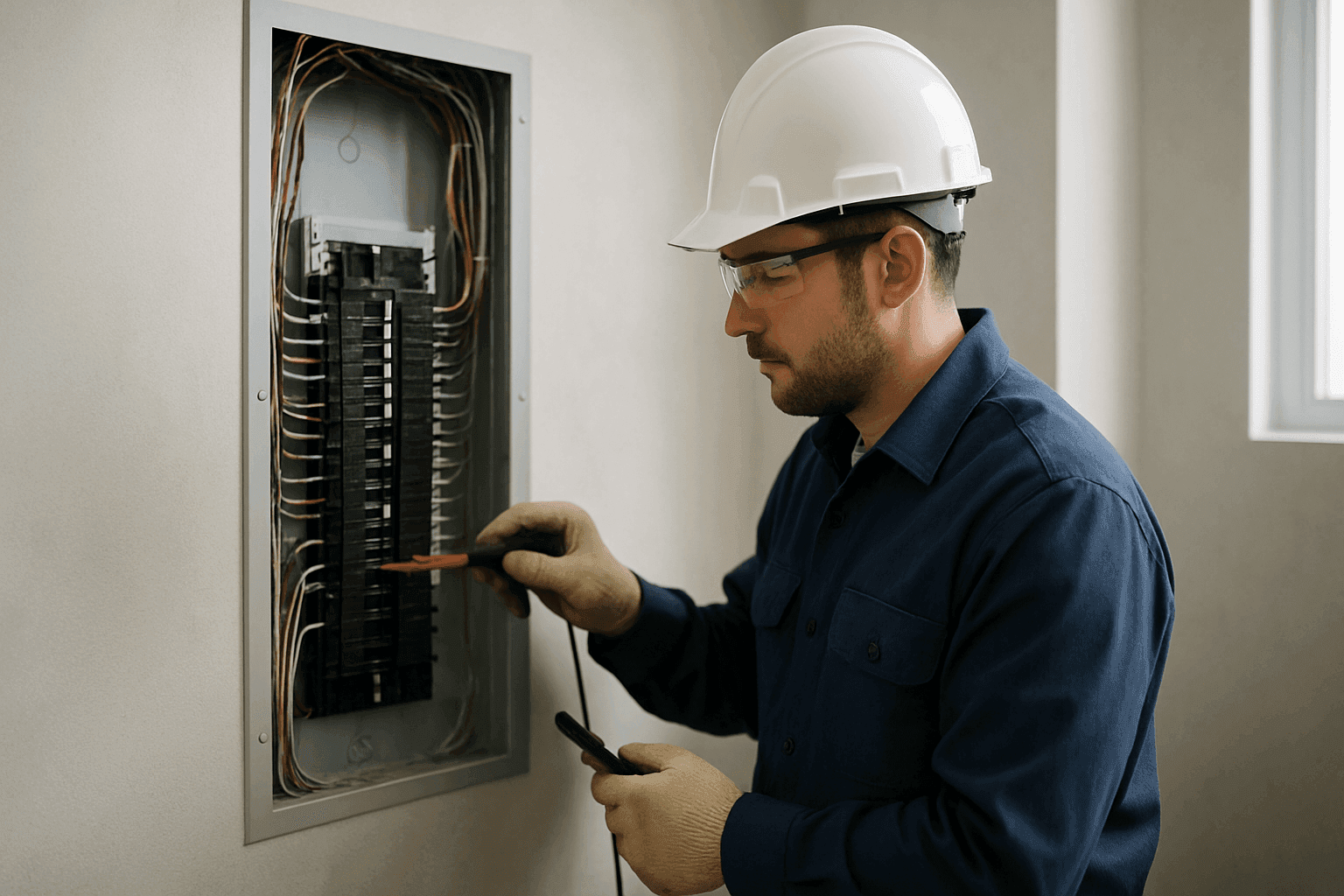
Ever had your lights flicker when the microwave kicks on? Or wondered why the breaker trips every time you plug in the vacuum? Maybe you just bought an older building and aren't sure what's hiding behind that metal door in the basement. Electrical panels are the silent backbone of any property—residential or commercial. When they start to struggle, your whole property can feel it.
At Lee Davis Electric, we see it all: from surprise power outages in the middle of the night to outdated fuse boxes that just can't keep up with today's demands. Upgrading your panel isn't just a box to check—it's about safety, efficiency, and peace of mind.
What Does an Electrical Panel Do? ⚡
Think of your electrical panel as the traffic controller of your entire property’s power flow. It takes the electricity coming in from the utility company and safely routes it to every circuit: your lights, outlets, appliances, computers, and more.
- Breaker panels (modern standard) use switches that trip when there’s a problem, cutting power to avoid danger.
- Fuse boxes (old-school) use metal fuses that "blow" when overloaded—meaning you have to replace them each time.
Modern panels are built for today’s needs. They manage more circuits, higher loads, and offer better safety features. Outdated panels? They're like trying to run a marathon in flip-flops—just not up for the job.
Signs You Need an Upgrade
Most panels aren’t built to last forever. How do you know yours is ready for retirement? Watch for these warning signs:
- Age: If your panel is 25+ years old, it’s due for a checkup. Older panels may not meet current code.
- Frequent breaker trips: If you’re resetting breakers more than once a month, something’s not right.
- Flickering or dimming lights: Especially when large appliances turn on.
- Burning smells or discoloration: Scorch marks or a plastic-like odor near the panel spell trouble.
- Warm or buzzing panel: The panel should never feel hot or vibrate.
- Outdated brands: Panels from certain manufacturers (like Federal Pacific, Zinsco, or Pushmatic) have a reputation for safety issues.
If any of these sound familiar, don’t wait. The risks are real, and waiting only increases them.
Risks of Outdated Panels
Old or undersized panels aren’t just inconvenient—they’re dangerous. Here’s what’s at stake:
- Fire risk: Overloaded circuits and faulty panels are a leading cause of electrical fires, according to the National Fire Protection Association.
- Damage to electronics: Spikes, surges, or inconsistent power can fry sensitive devices, from computers to TVs.
- Insurance headaches: Many insurers require panels to meet current codes. Outdated equipment can mean higher premiums—or denied claims.
- Power loss: Unexpected outages could leave you in the dark at the worst possible moment.
Think of it like an old lock on your front door. It might work, but would you trust it to keep your home safe?
Benefits of Upgrading Your Electrical Panel
Upgrading isn’t just about fixing what’s broken—it’s an investment in your property’s future. Here’s what you gain:
- Increased capacity: Supports new high-power appliances, EV chargers, and future upgrades.
- Better safety: Modern breakers trip faster and more reliably, reducing the risk of shock or fire.
- Improved efficiency: New panels run cooler and handle heavy loads with ease.
- Code compliance: Meets the latest National Electrical Code (NEC) requirements—essential for insurance and resale.
- Greater flexibility: Add circuits for a home office, pool, or home automation without overloading your system.
Upgrade now, and you’re not just preventing problems—you’re opening the door to new possibilities.
What to Expect During an Electrical Panel Upgrade
Worried about the process? Here’s how it typically goes—no surprises, just a clear path forward.
- Assessment: We inspect your current setup, review your power needs, and spot any code violations.
- Permitting: Local codes require permits for panel upgrades. We handle the paperwork.
- Shutdown: Power will be off during the swap—typically 4–8 hours for most homes, longer for commercial jobs.
- Removal: The old panel is safely disconnected and removed.
- Installation: New panel and breakers are installed, labeled, and checked for proper operation.
- Inspection: A city or county inspector will review the work to ensure it meets code.
- Power restored: We test every circuit, make adjustments, and clean up the workspace.
You’ll know exactly what’s happening every step of the way. For commercial clients, we work off-hours or in phases to minimize downtime.
Fuse Boxes vs. Modern Breaker Panels
- Fuse Boxes: Outdated, less reliable, and can be a hassle (fuses have to be replaced). Not designed for modern loads.
- Breaker Panels: Resettable, safer, and ready for today’s appliances and technology.
Building codes (NEC 2023 and most local ordinances) now require breaker panels in all new installations. If you still have a fuse box, upgrade for safety and convenience.
Code Requirements and Safety Standards
Electrical work isn’t guesswork. The National Electrical Code (NEC) sets safety standards for all installations. Your insurance and local building department require compliance. Upgrading your panel isn’t just smart—it’s often mandatory.
Residential vs. Commercial Panel Upgrades
- Residential: Usually a single main panel, sometimes a sub-panel for additions or garages. Focus is on safety, future growth, and essential loads.
- Commercial: Larger capacity, multiple panels, often involving three-phase power, backup generators, or motor controls. Downtime is a big concern.
For both, Lee Davis Electric follows the same industry standards and attention to detail.
Early Warning Signs: What to Watch For 🧐
Catch issues early and save yourself a headache:
- Breakers trip when multiple appliances run at once.
- Odd smells, buzzing, or warmth around the panel.
- You’ve added major appliances, an EV charger, or a home addition.
- Outlets spark or feel loose.
- Lights flicker throughout the house, not just on one fixture.
If you spot these, call an emergency electrician for repairs near you.
The Value of Upgrading: Insurance & Investment
Insurers are tightening up. Some won’t even cover homes with certain outdated panels. Upgrading can lower premiums, improve resale value, and protect your investment for the long term.
Practical Tips for Home & Business Owners
- Label your breakers: Know what each switch controls.
- Schedule annual inspections: Especially for panels over 10 years old.
- Don’t overload circuits: Spread out high-power appliances.
- Keep the area clear: Don’t block access to your panel.
What to Expect: Residential vs. Commercial
- Residential: Expect 4–8 hours of downtime, usually finished the same day.
- Commercial: May require phased work, after-hours, or temporary power solutions.
Every job is unique. We’ll explain the timeline and steps up front.
FAQ
Q: How do I know if my panel is too small?
A: If you’re constantly running out of breaker space, using lots of power strips, or tripping breakers, your panel may be undersized.
Q: Will I need to upgrade my wiring too?
A: Sometimes. If your wiring is as old as your panel, or if you’re upgrading to support much higher loads, rewiring may be recommended.
Q: Can I upgrade my panel myself?
A: Panel upgrades are never DIY. Local code, permit, and safety requirements make this a job for a licensed professional.
Q: How much does a panel upgrade cost?
A: Cost varies based on size, complexity, and local requirements. Most residential upgrades fall within a few thousand dollars. Commercial projects depend on size and demand.
Costs & Time Factors
- Residential: 4–8 hours, moderate cost, single panel.
- Commercial: Can span days, higher costs, larger or multiple panels.
- Factors: Panel size, number of circuits, accessibility, code upgrades, and local permit fees.
No two jobs are alike. We’ll give you a clear, honest estimate before work begins.
When It’s an Emergency
Sometimes, you can’t wait:
- Burning smell or visible smoke.
- Panel is hot to the touch.
- Water damage or flooding near the panel.
- Complete power loss with no obvious cause.
If you notice any of these, call an emergency electrician immediately. Don’t try to fix it yourself.
Quick Safety Checklist
- Never open the panel cover if you smell something burning.
- Don’t touch the panel with wet hands or standing on a damp floor.
- Keep children and pets away.
- Call for emergency service if you suspect a problem.
Local & Seasonal Considerations 🌧️
- Storm season: Lightning can cause power surges—surge protection may be required.
- Older neighborhoods: More likely to have outdated panels or wiring.
- Business expansions: Adding equipment? Check your panel’s capacity first.
Final Thoughts
An upgraded electrical panel is more than a technical update—it’s a shield for your property, your electronics, and your peace of mind. Don’t wait for a crisis. If you’re seeing the warning signs, or just want to be sure your system is ready for the future, reach out today.
Call Lee Davis Electric now — or reach us anytime at 877-757-7920 .