How to Troubleshoot Power Outages & Electrical Faults at Home
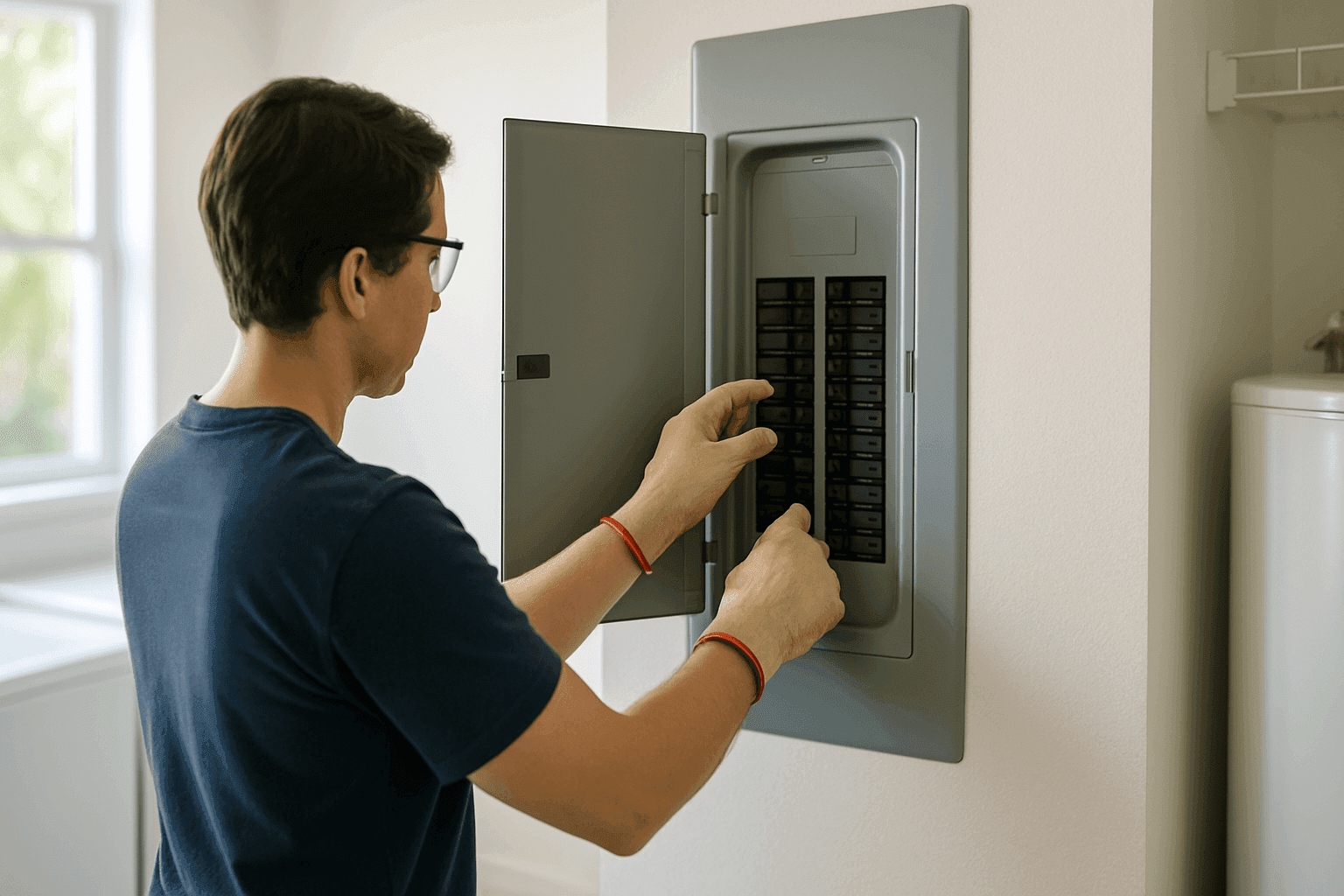
When the lights flicker, the fridge goes quiet, or your whole property plunges into sudden silence, your heart skips a beat. Power outages and electrical faults happen fast. Sometimes it’s a minor nuisance—a single tripped breaker. Other times, it’s a sign of something bigger, lurking behind your walls.
At Lee Davis Electric, we know how stressful these moments get, especially after hours or during busy business operations. Let’s walk through what to check, when to pause, and how to act with confidence and caution.
Common Causes of Power Outages ⚡
Power loss can strike anyone—homeowners or commercial spaces. Some causes are out of your hands. Others, you might spot brewing before they escalate.
Frequent culprits:
- Downed power lines after a storm
- Overloaded circuits (too many appliances running together)
- Faulty wiring—old, damaged, or chewed by critters
- Tripped circuit breakers or blown fuses
- Faulty panels or outdated breaker boxes
- Local utility grid failures
- Water intrusion (basements, crawl spaces, or near outdoor panels)
- Short circuits from damaged outlets or devices
Think of your electrical system as a city road map. When one “road” (wire) gets blocked, power can’t reach the neighborhoods (rooms or outlets) it’s meant to serve. Sometimes, it’s just a small detour; other times, the whole map is out.
Safe Step-by-Step Diagnostic Checks
Before you touch a breaker or poke at an outlet, safety comes first. Electricity is invisible but powerful—like a river beneath thin ice.
Always:
- Stop and look for hazards (sparks, water near outlets, burning smells)
- Use a flashlight, not candles, to avoid fire risks
- Keep hands dry and stand on a dry surface
- Unplug sensitive electronics and appliances
Step-by-step:
- Check if it’s just you. Look outside—are streetlights or neighbors dark too? If yes, it may be a utility issue.
- Survey the property. Is it one room, part of a floor, or the whole building? Document which areas are affected.
- Go to the breaker panel. Open the door and look for switches (breakers) that are halfway between ON and OFF, or fuses that look discolored.
- Smell or see smoke? Stop. Leave the area and call for emergency service.
- Reset tripped breakers. Turn them fully OFF, then firmly back ON. For fuses, replace only with the correct size and rating. Never use makeshift fixes like foil or pennies.
- Test outlets and switches. Use a plug-in tester (available at hardware stores) to check for power. Avoid sticking anything metal into outlets.
- Check major appliances. Sometimes, a faulty device triggers a trip. Unplug everything in affected rooms, then reset the breaker again.
Write down what you see—
- Which rooms are dark
- Any unusual sounds (buzzing, popping)
- Odd smells (burning plastic, fishy odor)
- How often it happens
Detailed notes help when you call for repairs near you.
When to Reset Breakers or Replace Fuses
Circuit breakers and fuses are the “bodyguards” of your electrical system. They trip or blow when a risk pops up—like a bouncer refusing entry to troublemakers.
It’s usually safe to:
- Reset a single tripped breaker if there’s no sign of burning, melting, or repeated tripping
- Replace a fuse once, using the exact same amperage
Never:
- Force a breaker that won’t reset
- Replace a fuse with one of higher amperage
- Use foil, coins, or “hacks” to bypass safety devices
- Ignore repeated trips—this is a red flag for deeper issues
If a breaker keeps tripping, or a fuse blows again soon after replacement, something’s wrong. Time to call an emergency electrician.
Signs of Serious Electrical Faults 🚨
Some electrical gremlins are more than a quick fix. Watch for these warning signs:
- Burning or fishy smells near outlets, switches, or your panel
- Frequent breaker trips or fuses blowing again and again
- Warm or discolored outlets and switches
- Visible wire damage—frayed, cracked, or chewed insulation
- Sparks, popping sounds, or buzzing from the panel or outlets
- Flickering lights when large appliances turn on
- Loss of power to just half your property (known as a “lost neutral”)
These aren’t just annoying—they’re dangerous. According to the National Fire Protection Association (NFPA), electrical failures are a leading cause of house fires.
When to Call an Emergency Electrician
DIY has its place—changing bulbs, resetting a breaker once, unplugging a toaster. But when symptoms persist, or you feel unsure, don’t risk it.
Call for help if:
- The whole property is out, but neighbors have power
- There’s smoke, burning smells, or visible fire
- Breakers or fuses won’t reset or keep tripping
- Water is leaking near electrical panels or outlets
- You see sparks, hear buzzing, or notice anything charred
- You don’t feel comfortable proceeding
Remember, electricity doesn’t give second chances.
Quick Safety Checklist ✅
- Never work on electrical panels or outlets with wet hands or standing water nearby
- Keep children and pets away from affected areas
- Use insulated tools if you must touch anything
- Don’t try to repair wiring, panels, or circuits yourself
- If you must evacuate, do so quickly and call for help from a safe distance
For business owners: alert your team, shut down sensitive equipment, and post warning signs if needed.
DIY vs. Call a Pro
DIY:
- Resetting a breaker once, if it’s not hot, burned, or repeatedly tripping
- Replacing a fuse with the exact same size/rating, if you understand your panel
- Unplugging all devices in a problem area before resetting
Don’t DIY:
- Anything involving wiring, outlets, switches, or panels
- Repeated or unexplained power loss
- Signs of heat, smoke, or water
- Upgrades, rewiring, or adding new circuits
Electricians are trained to spot hidden dangers—like a detective finding clues you can’t see.
What Pros Do On Arrival
When an emergency electrician from Lee Davis Electric arrives, here’s what happens:
- Safety first. Inspect for hazards, shut off power if needed.
- Diagnostic checks. Use professional-grade testers to trace faults.
- Panel inspection. Check for overloaded circuits, loose connections, or arc faults.
- Outlet and wiring check. Look for hidden damage, overheating, or improper installations.
- Documentation. Note symptoms, affected areas, and possible causes.
- Clear explanation. Describe findings and safe options for repairs or upgrades.
Often, pros follow the National Electrical Code (NEC) guidelines to ensure repairs are done right the first time.
Prevention & Maintenance Tips
Just like changing your car’s oil or cleaning gutters, electrical systems need routine care.
- Schedule annual electrical safety inspections—especially for older homes or busy commercial spaces
- Don’t overload outlets or power strips
- Upgrade old panels and replace worn outlets or switches
- Keep appliances in good condition (no frayed cords, no cracked plugs)
- Test smoke and carbon monoxide detectors monthly
- Install surge protection for sensitive devices
Pro tip: Label your breaker panel clearly. Knowing what controls which rooms saves time in an outage.
Costs & Time Factors
Electrical repairs vary by problem and property type. Here’s what to consider:
- Minor fixes (single breaker reset, outlet replacement): often quick, sometimes under an hour
- Major faults (rewiring, panel upgrades): may require several hours to days, especially for commercial jobs
- Emergency service: costs more after hours or on holidays due to urgency and risk
The best way to save money? Catch issues early and never ignore warning signs.
When It’s an Emergency
Some situations can’t wait:
- Fire, smoke, or strong burning smells
- Repeated tripping breakers with the panel feeling hot
- Water intrusion at or near electrical systems
- Half the property without power (possible lost neutral—dangerous)
- Electric shock, tingling from outlets or appliances
If in doubt, err on the side of caution. Get everyone to safety and call an emergency electrician immediately.
FAQ
Why do my breakers keep tripping?
This usually means something is overloaded or short-circuiting. It could be too many devices, a faulty appliance, or damaged wiring.
Are power strips safe to use?
Yes—if you don’t overload them and use ones with surge protection. Never “daisy chain” multiple strips together.
How do I know if my panel is outdated?
If your home is over 40 years old, your panel feels warm, or you still have fuses instead of breakers, it’s time for an upgrade.
What should I do if I smell burning plastic?
Shut off power at the main breaker if safe, evacuate, and call for emergency repair near you.
Local/Seasonal Considerations 🌧️
Certain times of year—and certain places—see more electrical trouble.
- Storm season: Downed lines, power surges, and water leaks are common. Always check for standing water before approaching your panel.
- Hot summers: Air conditioners draw heavy power, leading to overloaded circuits.
- Winter: Portable heaters and holiday lights can push circuits past their limits.
- Older homes: Aging wiring and outdated panels struggle to keep up with modern demands.
Regular checkups and upgrades help you stay ahead of the weather and time.
If the power’s out or something just doesn’t feel right, don’t wait.
Call Lee Davis Electric now — or reach us anytime at 877-757-7920 .