How to Choose a Reliable Electrician for Emergency & Routine Work
When the lights flicker or a circuit trips, it’s more than an inconvenience. It can feel like your home—or business—has come to a stop. There’s no time to guess who to call when sparks fly or systems fail. You want someone reliable, qualified, and ready to act.
Choosing the right emergency electrician isn’t just about speed. It’s about safety, lasting solutions, and knowing your property is in good hands. Here’s how to navigate the process with confidence—whether for urgent fixes or regular electrical work.
Credentials & Licensing to Check ⚡
A qualified electrician isn’t just someone handy with wires. They’re trained, licensed, and often insured to protect you and your property. Think of their credentials as a sturdy lock on your front door—keeping out trouble.
What to look for:
- State or Local Licensing: Every reputable electrician should have a valid license number. This proves they’ve passed rigorous exams and meet local code requirements. Check with your local licensing board if you’re unsure.
- Insurance: Liability and worker’s compensation insurance matter. They cover accidents or damage during repairs near you—so you’re not left holding the bill.
- Certifications: Some electricians carry extra certifications (like from the National Fire Protection Association or OSHA), showing dedication to ongoing safety and best practices.
- Permits: For larger jobs—like panel upgrades or rewiring—permits are essential. A pro will pull permits and schedule inspections as required by your city or state.
Questions to Ask Before Hiring
Don’t be shy! It’s your space and your safety. Good electricians welcome questions and clear up confusion the way a flashlight cuts through a dark attic.
Try asking:
- Are you licensed and insured in this area?
- Can you provide references from recent clients?
- Who will be doing the actual work—your team or subcontractors?
- What’s your experience with projects similar to mine (e.g., EV charger installations, commercial repairs, home automation)?
- Do you offer written estimates, and what do they include?
- How do you handle unexpected findings or code issues?
These questions help filter out anyone who hesitates or can’t provide straightforward answers.
Red Flags to Avoid 🚩
Sometimes, it’s what you don’t see that matters. If something feels off, trust your instincts—like you would when you smell smoke in the kitchen.
Warning signs:
- No proof of license or insurance
- Vague or shifting estimates
- No physical address or only a cell phone number
- Pressuring you into quick decisions or large upfront payments
- Reluctance to discuss code compliance or safety standards
- Unwillingness to provide references
Remember, a professional will never rush you or dodge your questions.
Special Considerations for Emergencies
When the power’s out or you smell burning, calm is hard to find. But emergencies require a clear head and a clear process.
Here’s what matters most:
- Availability: A true emergency electrician offers 24/7 service, arriving fast—day or night.
- Preparedness: They arrive with the right tools and replacement parts, ready to diagnose and repair on the spot.
- Communication: Expect clear updates about what they find, what needs fixing, and any risks. You should never be left guessing.
- Safety First: They’ll secure the area, shut down unsafe circuits, and work in line with the National Electrical Code (NEC).
Don’t try to troubleshoot high-voltage systems or live wires yourself. Emergencies are not the time for do-it-yourself fixes.
What Sets Professional Electricians Apart
It’s not just the toolbelt or the van. It’s the attitude, the commitment to safety, and the willingness to stand by their work.
Key qualities to look for:
- Transparency: Clear estimates, timelines, and explanations—no hidden surprises.
- References: Satisfied customers willing to vouch for work quality and reliability.
- Up-to-date Knowledge: Familiarity with the latest codes, technology, and energy-saving solutions.
- Respect for Property: Careful work, clean-up afterward, and protection for your floors and walls.
- Workmanship Guarantee: While not a promise of perfection, top electricians take pride in doing the job right the first time.
Quick Safety Checklist
Before anyone starts work, make sure:
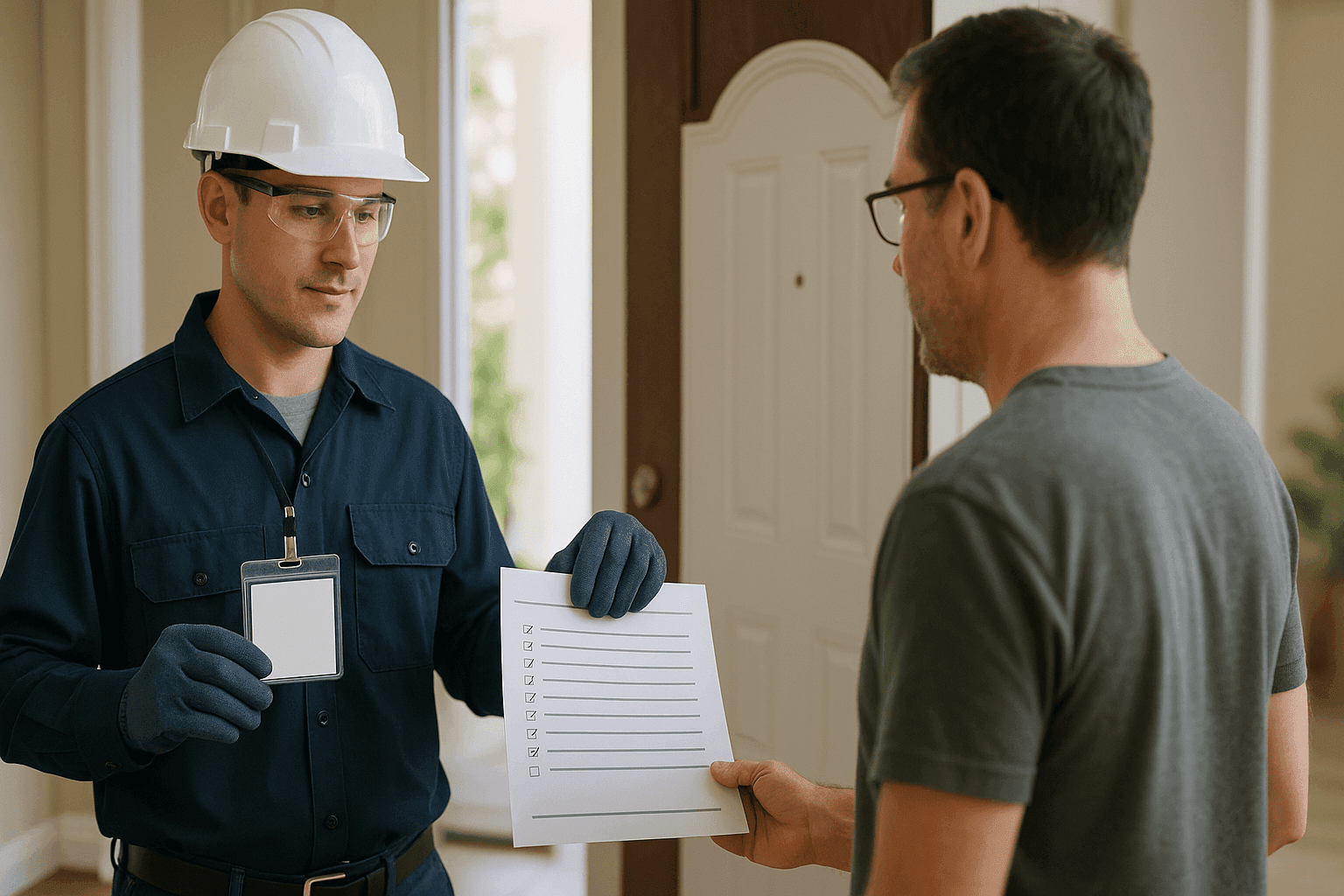
- The electrician shows ID and license if asked
- You understand the work plan and what’s included
- You’ve asked about permits and inspections for major jobs
- All insurance details are provided in writing
- Anything you’re unsure about is explained—no jargon, just plain English
Repairs Near You: DIY vs. Call a Pro
Some fixes—like changing a lightbulb—are safe for almost anyone. But with electricity, the risks multiply fast.
When to call a professional:
- You smell burning plastic or see scorch marks at outlets
- Breakers trip repeatedly or won’t reset
- Lights flicker or outlets buzz
- You need new circuits, rewiring, or panel work
- Any job involving water (pools, spas, kitchens, bathrooms)
- Upgrades to high-voltage equipment or commercial systems
Even something that seems simple, like installing a ceiling fan, can hide complex wiring behind the scenes.
What Pros Do On Arrival
A true professional doesn’t just dive in. First, they assess the situation—just like a doctor checks your pulse before prescribing medicine.
Typical steps:
- Listen to your concerns and ask clarifying questions
- Inspect the affected area and trace the problem
- Use specialized tools to test circuits and diagnose issues
- Explain findings and options for repair or replacement
- Provide a written estimate and answer your questions
- Perform repairs safely, to code, and with minimal disruption
They’ll never leave you wondering what happens next.
Prevention & Maintenance
Like regular oil changes for your car, electrical maintenance keeps problems from sparking up unexpectedly.
Consider:
- Annual electrical safety inspections (especially for older homes or commercial buildings)
- Checking smoke and carbon monoxide detectors regularly
- Upgrading old wiring, panels, or outlets before they fail
- Installing whole-home surge protection to guard against power spikes
- Scheduling routine testing of backup generators and safety systems
The National Fire Protection Association recommends regular checks for all electrical systems.
Costs & Time Factors
Every job is different. Costs and time depend on the size of the job, the complexity, and materials needed.
What to expect:
- Small repairs: (like replacing a faulty outlet or switch) can often be completed in under an hour.
- Medium jobs: (e.g., installing new circuits, lighting, or appliances) may take a few hours to a full day.
- Larger projects: (panel upgrades, rewiring, commercial installs) can span several days.
- Emergency service: may involve additional fees due to urgency and after-hours work.
Always ask for a detailed estimate before work begins. This avoids surprises and helps you budget appropriately.
When It’s an Emergency
Not every electrical problem is urgent, but some demand immediate action.
Call an emergency electrician if you:
- Smell smoke or burning odors from outlets or panels
- See sparks, smoke, or fire near electrical equipment
- Lose power in part or all of your building and can’t restore it safely
- Experience flooding or water near wiring
- Hear buzzing, popping, or crackling from panels or outlets
In these situations, shut off the main breaker if safe to do so—and get professional help immediately.
FAQ
What’s the difference between a licensed and certified electrician?
A licensed electrician meets the legal requirements to work in your area. Certification means they’ve completed additional training or passed industry exams—showing a higher level of expertise.
Can I check an electrician’s license myself?
Yes. Most state or local governments offer online tools or phone hotlines to verify licenses.
How often should I schedule an electrical safety inspection?
For most homes, every 3–5 years is recommended, or anytime you notice unusual electrical behavior. Commercial properties may require more frequent checks.
What if my electrical panel is more than 20 years old?
Older panels may not meet current safety standards. Have a professional inspect it, especially if you’re experiencing breaker issues or planning upgrades.
Local/Seasonal Considerations 🌦️
Different regions and seasons create unique electrical challenges:
- Storm season: Surge protection and backup generators protect against outages.
- Older neighborhoods: Aging wiring or panels may need upgrades to handle modern loads.
- Commercial spaces: Higher demand and complex systems require regular maintenance.
- Pool & spa season: Extra caution and specialized wiring are a must for safety.
Always work with an electrician who understands your area’s codes and climate.
When your safety, business, or comfort is on the line, don’t settle for less than a qualified professional. Lee Davis Electric is here for emergency service or routine electrical work—ready when you need us.
Call Lee Davis Electric now — or reach us anytime at 877-757-7920 .