Electrical Safety Checklist: Preventing Hazards at Home & Work
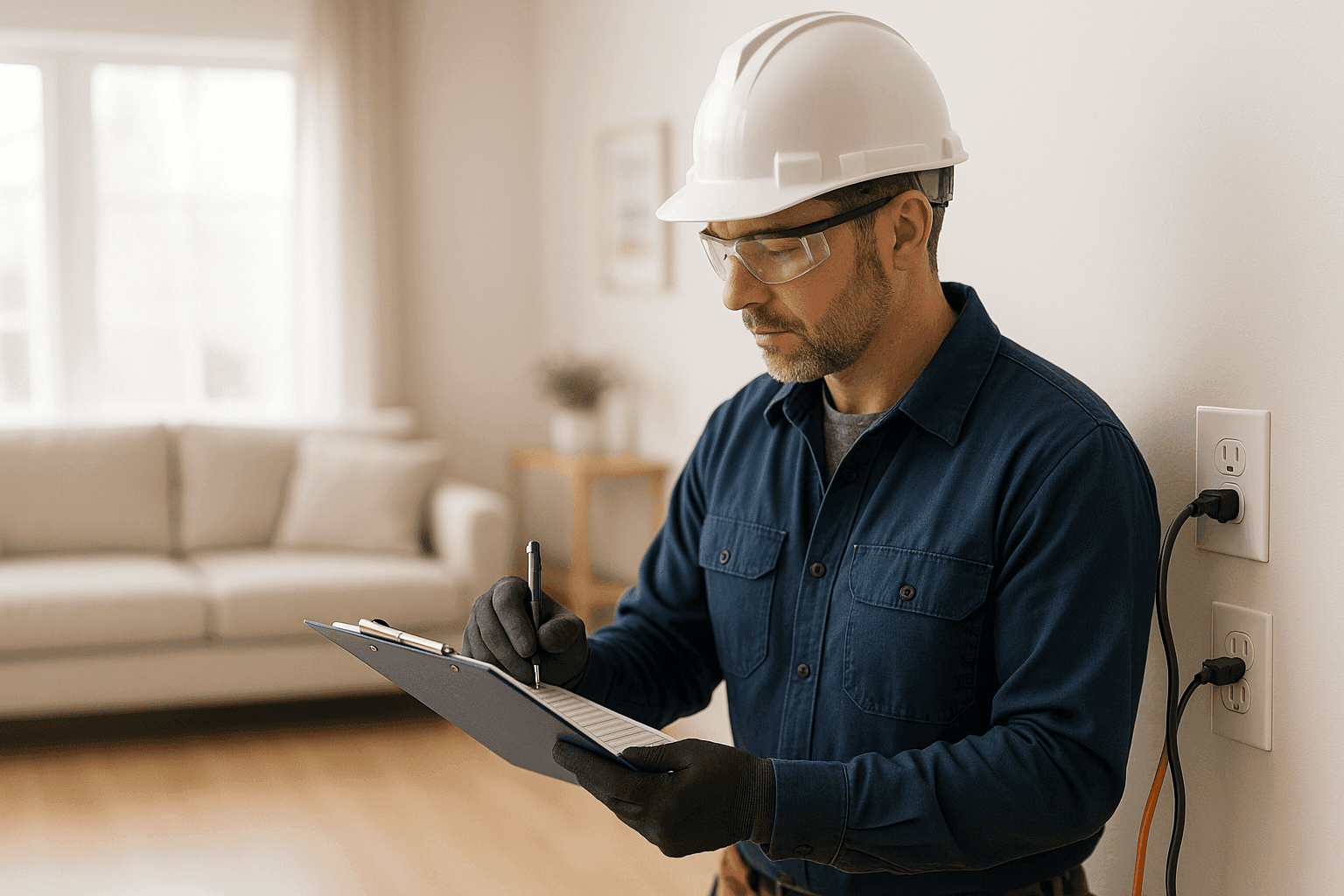
Accidents don’t make appointments. Electrical hazards can spark up quietly, turning an ordinary day into chaos. Whether you’re managing a busy office or relaxing with family, safety should never take the back seat. At Lee Davis Electric, we see the hidden dangers every day—many could have been stopped with quick checks and a little know-how.
You don’t need to be an engineer to spot trouble. With the right checklist, anyone can help keep their home or business safer. Below, you’ll find practical steps—used by fire prevention agencies and electrical codes—tailored for real people, real workplaces, and real families.
Daily & Weekly Electrical Safety Checks ⚡
Think of these as your daily stretch before a run. Small steps now keep you out of harm’s way later. Here’s what you should look for in both homes and businesses:
- Outlets and Switches:
- Are any warm or discolored?
- Do they feel loose or wiggle when you plug something in?
- Any buzzing or crackling sounds?
- Cords and Plugs:
- Check for fraying, kinks, or exposed wires.
- Are extension cords being used as permanent wiring? They shouldn’t be.
- Breakers and Panels:
- Notice any frequent tripping or flickering lights?
- Is the panel cover always closed and labeled?
- Appliances:
- Unplug anything not in use.
- Watch for burning smells, especially from toasters, heaters, or microwaves.
- Lighting:
- Are bulbs the correct wattage for their fixtures?
- Replace flickering or dim bulbs promptly.
- Smoke & Carbon Monoxide Detectors:
- Test alarms weekly.
- Change batteries twice a year, or as recommended.
These checks can feel like brushing your teeth—easy to skip, but critical for long-term health.
Seasonal & Holiday Precautions
Seasons change, and so do electrical risks. Storms, freezes, or holiday lights each bring unique dangers. Here’s how to prepare:
- Before Storms or Freezes:
- Inspect outdoor wiring and fixtures for damage or loose connections.
- Secure backup generators and test them.
- Install surge protection to guard against lightning or power surges.
- Move portable heaters away from water sources and flammable materials.
- Holiday Decorating:
- Use lights and extension cords rated for indoor/outdoor use as needed.
- Never overload outlets—spread decorations across circuits.
- Always turn off lights and inflatables overnight or when leaving.
- High-Use Months (summer AC, winter heaters):
- Clean around electrical panels and keep them accessible.
- Have a professional check large appliances and HVAC systems.
- Watch for ice or water buildup near outdoor outlets and pool/spa wiring.
What to Watch For: Outlets, Cords, Appliances
Electrical systems are like the circulatory system of your building—when something’s off, symptoms show up in small ways:
- Discoloration or Burn Marks:
Any brown or black stains around outlets or switches? That’s a red flag—heat and electricity do not mix. - Loose Devices:
Wobbly outlets can arc and spark, leading to fire. - Unusual Odors:
A fishy or burning plastic smell is a warning. Unplug and call for help. - Overloaded Power Strips:
If you need a power strip in every room, it’s time to consider more outlets or rewiring. - Tripped Breakers:
Occasional trips are normal, but frequent ones mean something’s wrong—maybe a failing appliance, wiring issue, or water intrusion.
When to Call an Electrician
Some fixes are as simple as flipping a switch. Others need a professional hand. Here’s how to tell:
- Call immediately if:
- You see sparks, smoke, or flames.
- You smell burning or see melted plastic.
- Outlets, switches, or appliances are hot to the touch.
- Your breakers trip repeatedly, even after unplugging devices.
- There’s water near wiring, outlets, or the electrical panel.
- Call for a safety inspection if:
- Your building is over 30 years old and hasn’t been rewired.
- You’re adding new appliances, EV chargers, or high-power equipment.
- After major storms or flooding.
- You’re planning renovations or new construction.
A licensed emergency electrician from Lee Davis Electric can assess the situation, recommend solutions, and restore safety—day or night.
Surge Protection & Weather-Related Risks
Think of surge protection as an umbrella in a thunderstorm: You hope you never need it, but when you do, you’ll be glad it’s there.
- Whole-house or panel surge protectors guard against lightning strikes and utility surges.
- Plug-in surge strips only protect what’s plugged in. Don’t daisy-chain them or use for heavy appliances.
- Storms, freezes, and flooding increase the risk of outages and shorts. If you live in a high-risk area, ask about backup generators and weatherproofing.
The National Fire Protection Association (NFPA) and local building codes recommend routine checks and updating equipment every 5–10 years.
Easy-to-Follow Electrical Safety Checklist
Here’s a quick walk-through you can do monthly:
- Inspect all visible cords and outlets for damage.
- Test smoke and carbon monoxide detectors.
- Check that your panel is labeled and accessible.
- Vacuum around panels and outlets to clear dust.
- Review appliance cords for heat or odd smells.
- Confirm GFCI outlets work (press “Test” and “Reset”).
- Make sure all outdoor outlets have weatherproof covers.
- Schedule a professional inspection every 1–3 years.
Set reminders in your calendar. Consistency is key.
Electrical Safety: Residential vs. Commercial
Homeowners and business managers both face risks, but the stakes look different:
- Residential:
- Children and pets may tamper with outlets or cords.
- DIY projects can introduce hazards if not code-compliant.
- Older homes may have outdated wiring or panels.
- Commercial:
- High-powered equipment, more users, and complex systems.
- Code violations can lead to shutdowns or insurance issues.
- Emergency lighting, exit signs, and machine wiring need regular checks.
Lee Davis Electric handles both—so whether you’re in a bungalow or a big office, we know what to look for.
What to Do Yourself—and When to Call a Pro
You can handle:
- Testing detectors.
- Unplugging unused devices.
- Visual inspections.
Don’t DIY:
- Rewiring, breaker replacement, or panel upgrades.
- Installing new circuits, high-voltage wiring, or generators.
- Diagnosing recurring breaker trips or power loss.
Electrical work isn’t like painting a wall—mistakes can be deadly or lead to hidden damage.
What Happens When the Electrician Arrives
When you call for repairs near you, here’s what the process looks like:
- Assessment:
The electrician will ask about symptoms and inspect problem areas—outlets, panels, appliances. - Testing:
Using meters and tools, they’ll check for voltage, grounding, and heat buildup. - Diagnosis:
They’ll explain what’s wrong (in plain English), show you trouble spots, and lay out options. - Repair or Recommendation:
Minor fixes might happen on the spot. Bigger jobs get scheduled promptly, with safety as the priority. - Final Check:
Before leaving, they’ll test the system and answer your questions.
No guesswork. No surprises. Just a clear path forward.
Maintenance Tips: Stay Ahead of Hazards
- Schedule annual safety inspections—especially in older buildings.
- Upgrade panels and breakers every 20–30 years.
- Replace damaged outlets, switches, and cords immediately.
- Keep water, plants, and clutter away from electrical equipment.
- Label your panel clearly—so anyone can shut off power in an emergency.
- Educate family or staff about basic electrical safety.
Costs & Time Factors
- Minor repairs (outlets, switches, breakers): Often resolved in under an hour.
- Larger projects (rewiring, panel upgrades, generator installation): May take several hours to a few days.
- Emergency calls: Response time depends on demand and location—Lee Davis Electric is available 24/7.
- Inspections: Routine safety checks are usually quick—plan an hour or two.
Remember: Delaying repairs can lead to bigger bills later. Prioritize life safety over savings.
When It’s an Emergency
If you spot smoke, sparks, or live wires—don’t wait.
- Turn off power at the main panel if you can do so safely.
- Evacuate if there’s fire or a strong electrical smell.
- Call 911 for fire or active hazards.
- Then, contact Lee Davis Electric—emergency electricians can respond any time, day or night.
FAQ: Common Electrical Safety Questions
Q: How often should I test my smoke and CO detectors?
A: Test weekly; replace batteries every 6 months or as recommended by the manufacturer.
Q: Is it safe to reset a tripped breaker myself?
A: Once is fine, but if it trips again, unplug devices and call an electrician—repeated trips signal deeper issues.
Q: Why do my outlets spark when I plug things in?
A: Small sparks can be normal, but large or frequent sparks mean loose wiring or overload—get it checked.
Q: Can I use extension cords permanently?
A: No. They’re meant for temporary use only. Install more outlets or circuits if needed.
Local & Seasonal Considerations
Some hazards are more likely depending on where you live or work:
- Coastal Areas: Higher risk for corrosion and salt damage—inspect outdoor and pool wiring frequently.
- Mountains/Northern Regions: Freezing temps can damage wires; check after storms and thaws.
- Urban Centers: Older infrastructure may hide hidden dangers—regular, professional inspections are a must.
- During Storm Season: Prep backup power, double-check surge protection, and keep emergency phone numbers handy.
Final Thoughts
Staying ahead of electrical hazards keeps your property, loved ones, or business safe. Small checks today prevent big problems tomorrow. And when the unexpected happens, Lee Davis Electric is just a call away.
Call Lee Davis Electric now — or reach us anytime at 877-757-7920 .