The Complete Guide to Electrical Safety Inspections for Homes & Businesses
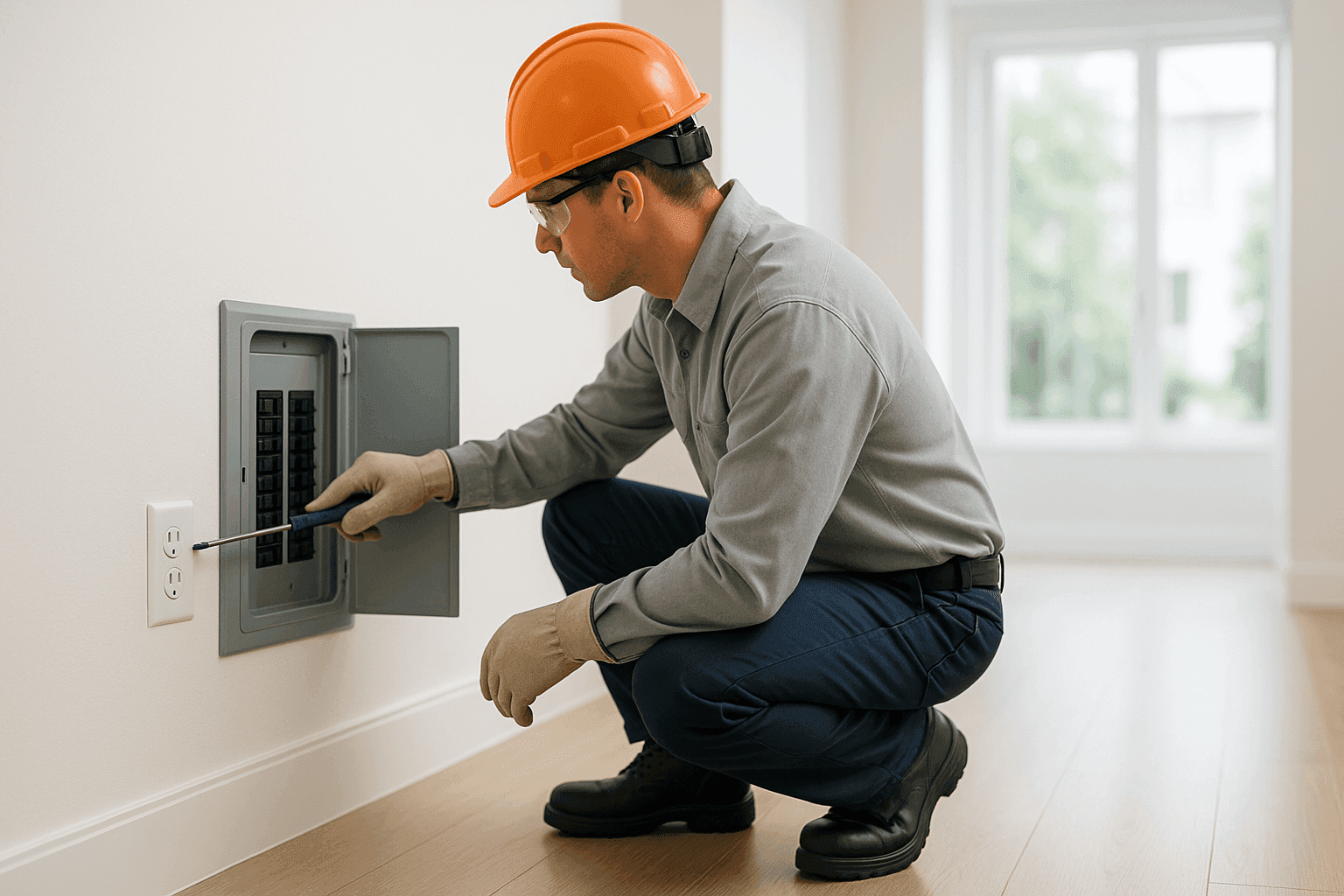
Is your property truly safe from hidden electrical dangers? Most wiring and circuit problems don’t show themselves until it’s too late—when a breaker trips, a socket sparks, or a smoke detector blares at 2 a.m. You need confidence that your home or business can handle everything you plug in, every hour of the day.
At Lee Davis Electric, we know that life runs on electricity. That’s why an electrical safety inspection isn’t just another box to check. It’s peace of mind—backed by up-to-date knowledge, real certifications, and the steady hands of a qualified emergency electrician.
What Is an Electrical Safety Inspection? ⚡
Think of an electrical safety inspection as a health checkup for your property’s power. Just like you’d visit the doctor for your heart or lungs, your wiring, panels, and outlets need regular attention to stay reliable. These inspections are required by law in many states and are often necessary to meet insurance requirements and pass local code enforcement.
A licensed electrician, like the team at Lee Davis Electric, reviews your entire electrical system. We look for signs of wear, code violations, overloaded circuits, and potential fire risks. According to the National Fire Protection Association (NFPA) and the National Electrical Code (NEC), regular inspections are one of the best ways to protect lives and property from electrical hazards.
Key Areas Inspected: What Gets Checked?
Electrical safety inspections are thorough. Here’s what we look at—and why each point matters:
- Service Panels & Breakers: Are breakers properly sized and labeled? Any signs of overheating, rust, or loose connections?
- Wiring: Are wires frayed, outdated, or showing signs of rodent damage? Is knob-and-tube or aluminum wiring still present?
- Outlets & Switches: Are any scorched, loose, or missing covers? Are GFCIs installed where water is present?
- Smoke & Carbon Monoxide Detectors: Are detectors present, up-to-date, and working? Is there enough coverage?
- Lighting & Fixtures: Are fixtures secure and free of heat damage? Are bulbs the right wattage?
- Grounding & Bonding: Is the system correctly grounded for safety and code compliance?
- Surge Protection: Is there protection for sensitive electronics and major appliances?
- Specialty Systems: This includes EV chargers, pool/spa wiring, intercoms, and backup generators.
Each of these areas protects you from a different risk—fire, shock, equipment damage, or even loss of life. Skipping just one can leave a gap big enough for disaster.
How Often Are Inspections Needed?
How often should you schedule an electrical safety inspection? The answer depends on your property’s age, use, and any recent changes. Here’s a general rule of thumb:
- Homes: Every 3–5 years, or immediately after major renovations, appliance upgrades, or if you notice repeated breaker trips.
- Businesses: Every 1–3 years, especially for high-traffic buildings, restaurants, warehouses, and spaces with heavy equipment.
- Before Buying or Selling: Always inspect before closing a deal—no one wants surprises after the paperwork is signed.
- After Storms or Floods: Water and electricity don’t mix. If your property has been affected, an immediate inspection is vital.
Insurance companies and local building codes may have their own requirements. The NEC and Occupational Safety and Health Administration (OSHA) both recommend regular inspections as a core safety practice.
What to Expect During the Visit
Worried about the inspection process? No need. Here’s what happens when a qualified electrician arrives:
- Initial Walkthrough: We’ll ask about any problems, recent work, or concerns you’ve noticed.
- Panel & Main Service Check: The main breaker panel is opened and examined for signs of overheating, loose wires, improper labeling, or corrosion.
- Room-by-Room Review: Outlets, switches, lighting, and visible wiring are inspected for hazards or code issues.
- Testing: We test GFCIs, AFCIs, smoke detectors, and sometimes use thermal cameras or specialized meters to spot hidden problems.
- Special Systems: If you have EV chargers, generators, or pool wiring, we’ll check those too.
- Compliance Check: Everything is compared against the latest NEC, local code, and insurance standards.
- Report & Recommendations: You’ll get a written summary of any risks, code violations, or upgrade opportunities.
It’s not just about finding problems—it’s about making sure your system is ready for everything life or business throws at it.
Quick Safety Checklist for Homeowners 🏠
- Are all outlets and switches working, cool to the touch, and securely installed?
- Are extension cords used as permanent wiring? (They shouldn’t be.)
- Are smoke and CO detectors present in all recommended areas and tested monthly?
- Are there signs of rodents, water damage, or burnt smells near panels and outlets?
- Is your panel labeled, accessible, and free from rust or corrosion?
- Have your GFCI outlets been tested in the last month?
- Do you know when your last inspection was?
Quick Safety Checklist for Businesses 🏢
- Are exit signs and emergency lights powered and operational?
- Is equipment properly grounded, with no daisy-chained extension cords?
- Are panels clear of storage, labeled, and secured from unauthorized access?
- Is there a log of regular testing for detectors and backup power systems?
- Are surge protectors in use for computers, POS systems, and sensitive gear?
- Has any major equipment been installed or reconfigured recently?
- Do you have an up-to-date safety inspection certificate for insurance?
How Inspections Prevent Hazards
Electrical issues are like termites—out of sight, out of mind, until the damage is done. Most electrical fires start with small, invisible faults: a loose wire, a cracked outlet, a breaker that quietly fails to trip. Inspections catch these problems before they escalate.
According to the U.S. Consumer Product Safety Commission, over 31,000 home electrical fires occur each year. Regular inspections can cut that risk dramatically. For businesses, OSHA standards require periodic checks for employee safety and compliance.
Why Both New and Older Properties Benefit
Think new construction is immune? Think again. Even the best new builds can have wiring mistakes, rushed installations, or unpermitted changes. For older homes and legacy commercial spaces, aging materials, outdated panels, and code changes introduce new risks.
Inspections bridge that gap. They help you catch mistakes before someone gets hurt—or before an insurance claim is denied due to non-compliance.
Compliance, Codes, and Insurance: What You Need to Know
Passing an electrical inspection isn’t just good practice—it’s often required by law and your insurance policy. Here’s why it matters:
- National Electrical Code (NEC): This is the standard used in nearly every U.S. state. It’s updated every three years.
- Local Codes: Your city or county may have stricter requirements.
- Insurance: Many providers demand proof of a recent inspection, especially after claims or property sales.
- Certificates: Only a licensed electrician can issue recognized safety certificates.
If your property fails inspection, you could face fines, increased premiums, or denied claims if disaster strikes.
Post-Inspection Steps
After the inspection, you’ll receive a detailed report. It will list:
- Any hazards or code violations found
- Recommendations for repairs or upgrades
- A timeline for follow-up actions (some fixes are urgent, others can wait)
Act quickly on the most serious issues—especially anything that risks fire, shock, or system failure. Keep your inspection certificate for your records and insurance.
DIY vs. Call a Pro
A quick visual check is good—but it’s not enough. Only a licensed electrician has the training, tools, and legal authority to do a full safety inspection. Trying to DIY electrical work is like climbing a ladder with your eyes closed. The risks aren’t worth it.
That said, you can help by:
- Testing smoke and CO detectors monthly
- Checking cords and plugs for visible damage
- Making sure your panel is labeled and accessible
Leave everything else to a pro. If you need true peace of mind, always call a certified emergency electrician for inspections, repairs, and anything beyond basic maintenance.
Tips for Choosing a Qualified Inspector 📝
- Look for electricians licensed in your state or region.
- Ask about certifications (such as from the International Association of Electrical Inspectors or the Electrical Safety Foundation International).
- Check if they’re insured and bonded.
- Read reviews from other property owners—not just star ratings, but real feedback about professionalism, punctuality, and follow-up.
- Confirm that they provide written reports and certificates for insurance compliance.
What Pros Do On Arrival
When your electrician arrives, expect more than just a flashlight and a checklist. Here’s what sets a true professional apart:
- Uses calibrated meters and thermal cameras to detect hidden hazards
- Follows the latest NEC and local codes (not just last year’s standards)
- Explains findings in clear, simple language
- Offers practical, prioritized recommendations—not just a list of problems
- Leaves your space as clean as they found it
Prevention & Maintenance
Don’t wait for a blown fuse to call for help. Routine maintenance is the best way to keep your electrical system running safely. Here’s what you can do:
- Schedule inspections every 1–5 years, depending on your property type
- Have overloaded circuits or repeated breaker trips checked immediately
- Replace any damaged or outdated outlets and switches
- Install whole-home surge protection if you have sensitive electronics
- Keep your panel clear of storage and easily accessible
Small steps now can prevent big problems—and bigger bills—later.
Costs & Time Factors
How much time and money should you set aside? Here’s what to expect:
- Time: Most inspections take 1–3 hours for homes, 2–6 hours for commercial spaces, depending on size and complexity.
- Cost: Factors include property size, system complexity, location, and any specialty systems (like EV chargers or generators). Emergency electrician services may cost more for after-hours or urgent visits.
Remember, catching a hazard early is far less expensive than dealing with fire, outage, or equipment loss.
When It’s an Emergency
Some electrical problems can’t wait. Call an emergency electrician right away if you notice:
- Burning smells or smoke from outlets, panels, or wiring
- Repeated breaker trips or power loss in critical areas
- Buzzing or sparking from switches or fixtures
- Water damage or flooding near electrical systems
- Any sign of fire, shock, or exposed wiring
Don’t risk your safety. Get help fast—24/7 emergency service is available for a reason.
FAQ
How do I know if I need an inspection?
If you’ve bought a house, finished renovations, added major appliances, or it’s been more than 3–5 years since your last check, it’s time. Also, schedule one after any electrical incident or insurance claim.
Are inspections required by law?
In most areas, yes—especially for property sales, business licenses, or after flood/fire damage. Always check your local regulations.
What if my property fails inspection?
You’ll get a written list of issues to address. Some may be urgent; others can be scheduled. Fix them promptly to stay code-compliant and safe.
Do I need to be present?
It helps! You’ll be able to answer questions and get immediate feedback. For businesses, have someone familiar with the property’s systems on hand.
Local and Seasonal Considerations
In some regions, weather can stress your electrical system. Heavy storms, humidity, and extreme heat or cold increase the risk of faults—especially if wiring or panels are exposed. Older properties are often more vulnerable.
Schedule inspections before storm season or periods of high demand (like summer air conditioning or winter heating). For businesses, plan checks before busy periods to avoid downtime.
Electrical safety is everyone’s responsibility—but inspections are our specialty. Protect your investment, health, and peace of mind by scheduling a visit from a qualified electrician. If you’ve noticed warning signs or just want a routine check, don’t wait.
Call Lee Davis Electric now — or reach us anytime at 877-757-7920 .