Ultimate Guide to Installing EV Chargers at Home or Work
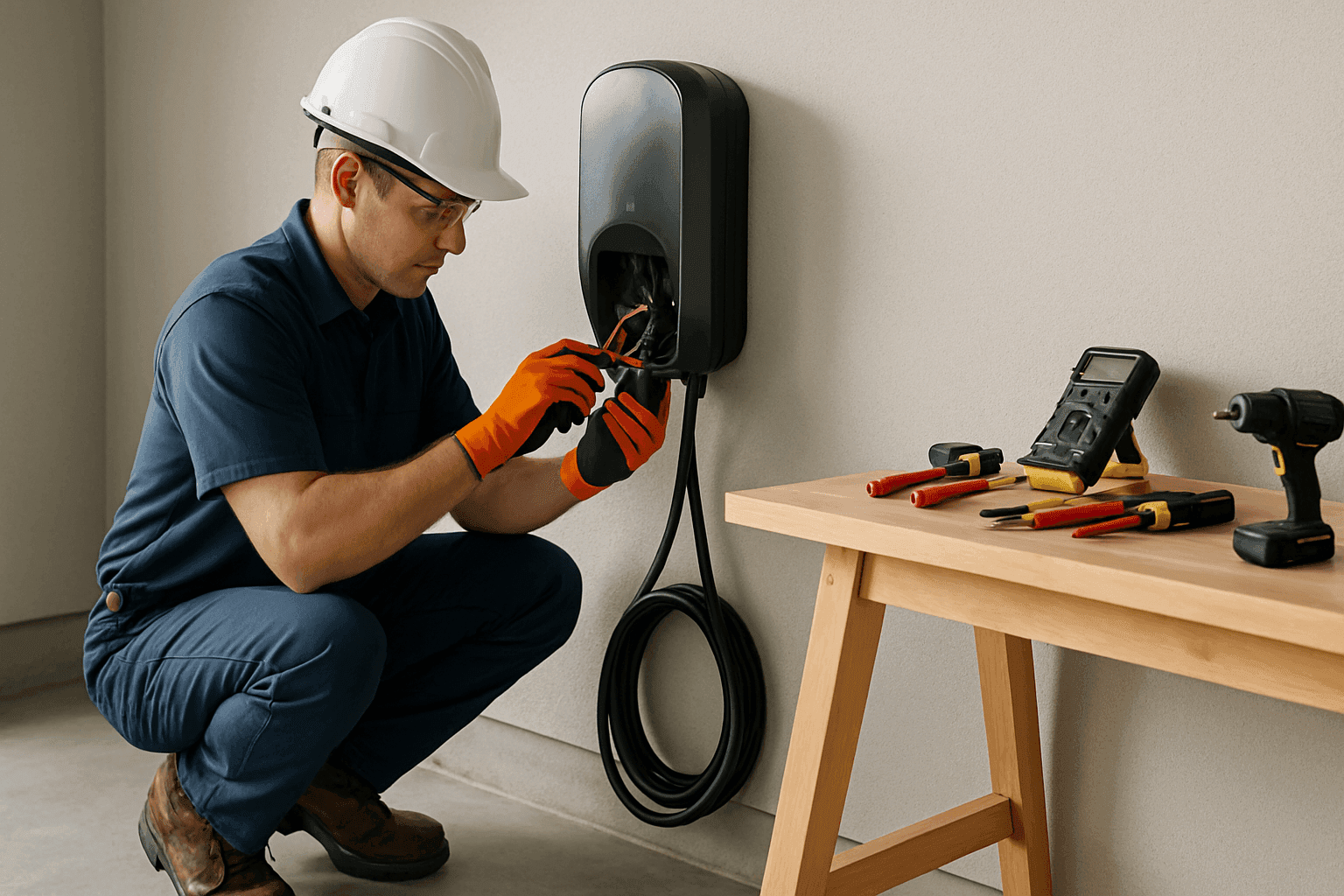
Plugging in your electric vehicle should feel as easy as plugging in your phone. But behind that convenience is a world of electrical know-how, local codes, and safety checks that can't be skipped. At Lee Davis Electric, we’ve seen what happens when shortcuts are taken. We’re here to make sure you don’t fall into those traps.
Whether you’re a homeowner dreaming of overnight charging or a business manager planning for a growing fleet, installing an EV charger is a project that deserves careful attention. Here’s what to expect, what to avoid, and how to get it done right.
Types of EV Chargers ⚡
Think of EV chargers like kitchen appliances—they come in different sizes and strengths. Picking the right one isn’t just about power, but also about how you’ll use it.
- Level 1 Chargers: These use a standard 120-volt outlet. They’re slow—think overnight for a full charge. Great for light, occasional use at home.
- Level 2 Chargers: The most popular for homes and businesses. Runs on 240 volts (like a clothes dryer). Cuts charging time dramatically.
- DC Fast Chargers: Found mostly in commercial or public spaces. They require heavy-duty wiring and specific utility approval. These can top up a battery in under an hour.
The right fit depends on your daily mileage, vehicle type, and future needs. For families with two EVs or workplaces with a growing fleet, installing more than one Level 2 charger (or wiring for future expansion) makes sense.
Installation Requirements: Power, Location, and Code
Installing an EV charger isn’t just plugging in a new gadget. It’s more like remodeling your kitchen—there are rules, measurements, and permits involved.
Power Capacity
- Panel Assessment: Most Level 2 chargers draw 30–50 amps. Your electrical panel must have space and capacity. If it doesn’t, upgrades or dedicated subpanels may be needed.
- Breaker Sizing: The breaker must match the charger’s specs and comply with National Electrical Code (NEC) guidelines.
Location, Indoors or Out
- Garage Installations: Usually easier, with shorter wire runs and protection from the weather.
- Outdoor Parking: Requires weatherproof equipment and GFCI protection. Chargers should be mounted at a height that avoids water exposure, as per NEC and manufacturer guidelines.
- Business Parking Lots: Plan for cord management, signage, and ADA compliance if open to the public.
Local Code Compliance
Every city or county has its own take on the NEC. Permits are almost always required. Inspections aren’t optional—they protect you and validate your installation for insurance and warranty coverage.
Pro tip: Always check with your local authority before starting. Skipping this step can cost you thousands in re-dos and even void your charger’s warranty.
Step-by-Step Installation Process
You wouldn’t build a house without a blueprint. EV charger installations are no different. Here’s how Lee Davis Electric approaches each job:
- Assessment: We check your main panel, wiring, and grounding. We ask about your charging needs—now and in the future.
- Permitting: We handle the paperwork. This ensures your installation is legal and up to code.
- Upgrades (if needed): If your home or business needs a panel upgrade, we’ll walk you through options. Sometimes it’s a quick fix; sometimes it’s a bigger project.
- Wiring: Using the right gauge wire and conduit for safety and efficiency. Routing is planned to minimize disruption and keep costs predictable.
- Mounting the Charger: Indoors, outdoors, on a pedestal, or wall—placement is tailored to your needs and usage patterns.
- Connecting and Testing: We don’t just install—we test under load to ensure it’s working safely.
- Inspection: Local inspectors sign off, so your installation is officially approved.
No step skipped, no corners cut. That’s how we keep you safe.
Safety & Permitting: Why Code and Professional Installation Matter 🛑
Here’s the hard truth: Even with an “easy” plug-in charger, a mistake can have big consequences. We’ve seen:
- Home fires from undersized wiring.
- Melted outlets after repeated overloads.
- Voided vehicle warranties due to improper install.
- Insurance claims denied after DIY jobs gone wrong.
Permitting and inspection aren’t red tape; they’re your shield. The NEC, manufacturer installation guides, and local ordinances aren’t suggestions—they’re life-saving rules. Professional installation ensures your charger is grounded, GFCI-protected, and ready for safe, daily use.
For commercial builds, skipping proper permitting can lead to major fines and business interruptions. Don’t risk it.
Maintenance Tips for Long-Lasting Performance
EV chargers are built tough, but regular check-ups keep them running smoothly.
- Visual Inspections: Every few months, look for signs of wear, damage, or overheating.
- Cord Care: Keep cords coiled and off the ground to prevent tripping and water exposure.
- Panel Checks: Make sure panel covers are secure and breakers are labeled.
- Professional Service: Schedule a licensed electrician to inspect connections annually—especially in high-use settings.
If you notice tripped breakers, buzzing sounds, or unusual heat, call an emergency electrician right away. Quick action can prevent bigger problems.
Why Professional Installation is Essential
DIY electrical work is like playing with fire—literally. Without the right tools, training, and permits, you risk:
- Injury or shock.
- Unsafe loads that can damage your home’s electrical system.
- Losing out on charger and vehicle warranties.
A professional ensures every wire is sized right, every connection is tight, and every permit is pulled. That means peace of mind for you and everyone using your system.
Common Pitfalls of DIY EV Charger Setups
We’ve been called in to fix plenty of “weekend projects” gone wrong. Here’s what we see most:
- Undersized Wiring: Leads to overheating and potential fires.
- Improper Breaker Sizing: Causes nuisance tripping or silent damage.
- No Inspection: Voids insurance and creates hidden dangers.
- Missing GFCI Protection: Leaves outdoor installations exposed to shock hazards.
DIY can seem tempting, but the risks outweigh the savings—a single mistake can cost far more to fix than a professional install would have.
Future-Proofing: Growing EV Fleets at Home and Work 🚗
EV ownership is booming, and demand for charging is only going up. Plan ahead:
- Install Extra Conduit: Even if you only need one charger now, running extra conduit lets you add more later with minimal fuss.
- Panel Expansion: Upgrade your panel once, not every time you add a charger.
- Smart Chargers: Networked chargers can track usage and load, perfect for businesses managing multiple vehicles.
- Load Management: Commercial lots should consider systems that balance power between chargers, avoiding expensive utility upgrades.
It’s like adding more seats to your dinner table—you want to be ready for guests, not scrambling when they arrive.
Addressing Home Garages vs. Business Parking Lots
The basics are similar, but the scale and needs change:
- Home Garages: Focus on convenience, safety, and aesthetic. Shorter wire runs, single or dual chargers.
- Business Parking Lots: Think about accessibility, signage, and volume. Install chargers in visible, well-lit areas. Plan for employee and visitor use.
No matter the setting, code compliance and professional installation are non-negotiable.
Real-World Safety Cases
We’ve seen the consequences when the rules aren’t followed:
- A home fire started after a DIY charger install used a standard outlet for a Level 2 charger.
- A business faced weeks of downtime and thousands in repairs after uninspected wiring failed during a storm.
- Insurance denied claims when contractors skipped permits.
Don’t let your story become a cautionary tale.
What to Expect and How to Prepare
Before installation day:
- Clear the Area: Make sure your garage or parking spot is accessible.
- Know Your Needs: One charger or more? Now or in the future?
- Ask About Permits: Be ready for a short inspection visit after install.
If you’re not sure about your panel’s capacity, call for a quick assessment. A little planning now saves time and headaches later.
Costs & Time Factors
Every installation is unique, but here’s what affects your investment:
- Distance from Panel: Longer wire runs mean higher costs.
- Panel Upgrades: Sometimes necessary for older homes or big additions.
- Charger Type: Level 2 is more involved than Level 1.
- Permitting Fees: Vary by location.
Most home installs take a few hours to a day. Business installations or multiple chargers can take longer, especially if trenching or major upgrades are needed.
When It’s an Emergency 🆘
If you smell burning, see sparks, or your charger trips the breaker repeatedly, don’t wait. Unplug the charger (if safe), shut off the breaker, and call an emergency electrician. Fast action can prevent bigger damage and keep everyone safe.
Lee Davis Electric offers 24 hour service for urgent electrical Repairs near you.
FAQ: EV Charger Installation
How do I know if my electrical panel can handle an EV charger?
A licensed electrician can assess your panel’s available capacity and recommend upgrades if needed.
Do I need a permit to install a charger?
Yes. Local codes require permits and inspections, both for safety and insurance.
Can I use an extension cord with my EV charger?
Never. Extension cords are not rated for the loads EV chargers draw and are a major fire risk.
How long does installation take?
Most home installs are done in a day. Commercial jobs may take longer based on complexity.
Local and Seasonal Considerations
Weather and climate matter:
- Cold Climates: Outdoor chargers need freeze-rated equipment and proper sealing.
- Wet Climates: Look for chargers with high weatherproof ratings and install above flood lines.
- Hot Summers: Keep chargers shaded or ventilated to avoid overheating.
Local codes may also dictate where you can install and what equipment is approved. Always ask your installer—they’ll know what works in your area.
Ready for safe, code-compliant EV charging at your home or business?
Call Lee Davis Electric now — or reach us anytime at 877-757-7920 .