How to Maintain Your Home Electrical System for Safety and Efficiency
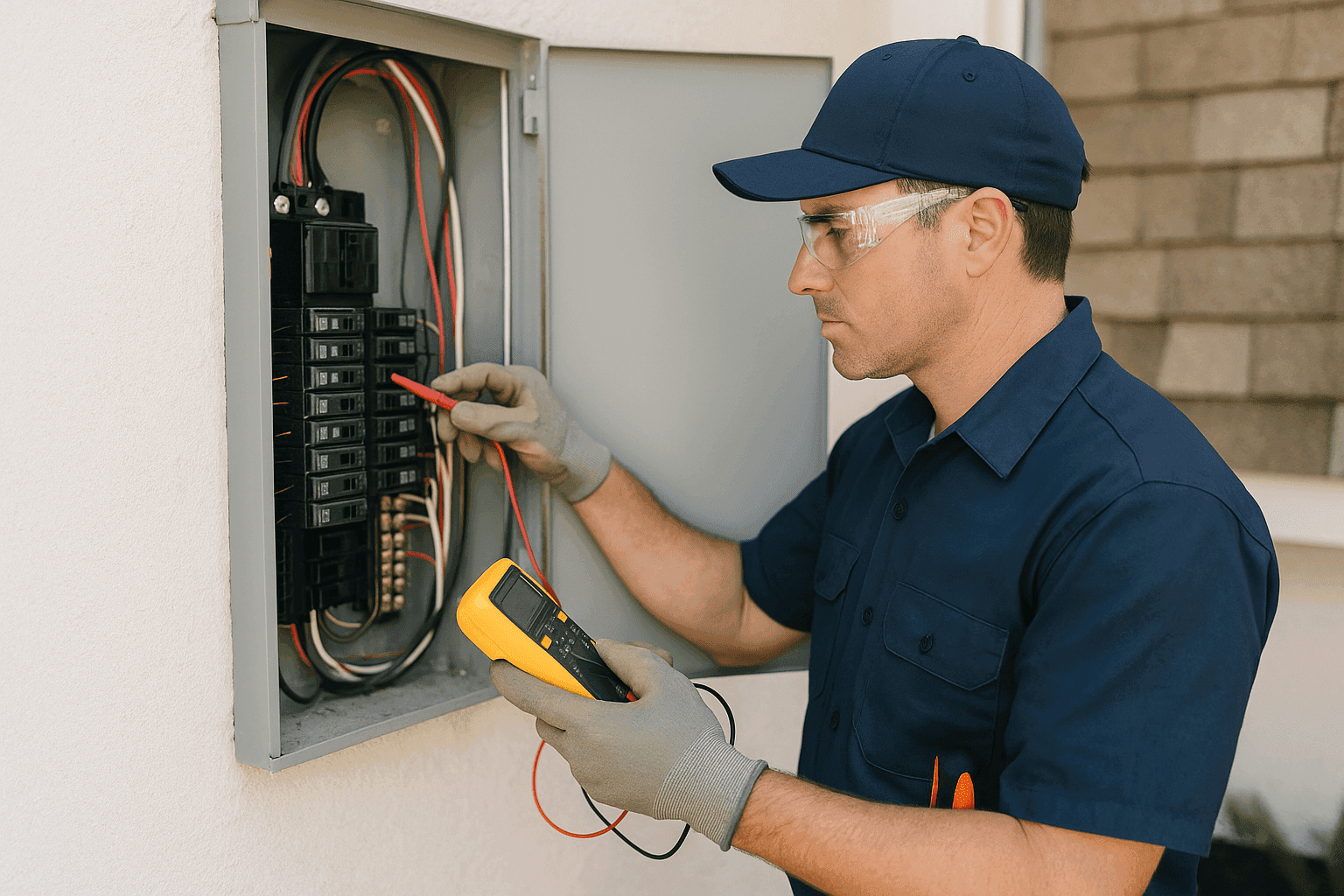
Is your home’s electrical system quietly working overtime? Most of the time, it hums along in the background—lights flicker on, appliances purr, and outlets just work. But when something goes wrong, it can feel like the world stops spinning. That’s when safety and efficiency matter most.
At Lee Davis Electric, we know electrical problems don’t wait for business hours. A little regular care can help you avoid sudden shocks—literally and figuratively. Let’s break down how you can keep your electrical system in top shape, spot trouble early, and know when to call in the pros.
Why Electrical Maintenance Matters ⚡
Imagine your electrical system like the heart of your home or business. It pumps energy to every corner. But just like a heart, it needs regular checkups. Without them, small issues can turn into big headaches—think fire hazards, power loss, or expensive equipment fry-outs.
The National Fire Protection Association (NFPA) reports that electrical malfunctions are a leading cause of house fires. Regular maintenance is your best defense. It keeps your family, employees, and property safe—and your electronics running smoothly.
Quick Electrical Safety Checklist
Want to catch issues before they escalate? Here’s a simple checklist you can run through every few months:
- Check outlets and switches: Are any warm, discolored, or making buzzing sounds?
- Test GFCIs and AFCIs: Press the “test” and “reset” buttons to make sure they trip and reset properly.
- Inspect extension cords: Look for fraying, cracked insulation, or overloaded outlets.
- Look at your panel: Any rust, corrosion, or odd smells? Labels clear and readable?
- Test smoke and carbon monoxide detectors: Replace batteries twice a year.
- Examine lighting fixtures: Are bulbs the right wattage? Any flickering or dimming?
- Check surge protectors: Are they overloaded or past their expiration date?
- Outdoor wiring: Inspect for weather damage, especially after storms.
- Pool and spa electrical: Make sure all covers are secure and wiring is dry.
If you spot anything off, don’t ignore it. A quick check now can prevent a midnight emergency call later.
DIY or Call a Pro? Knowing Your Limits
Some things are safe for a handy homeowner or business owner to handle. Others? Not so much. Here’s where to draw the line:
Safe to DIY:
- Replacing light bulbs
- Testing GFCIs/AFCIs
- Resetting tripped breakers (if it’s not a repeating issue)
- Swapping batteries in detectors
Call a licensed electrician if:
- Outlets or switches are hot, buzzing, or scorched
- You smell burning or see sparks
- Breakers trip repeatedly
- Lights flicker or dim without explanation
- You find damaged wires, panels, or water near electrical components
- You’re planning upgrades, renovations, or adding major appliances
Electricity is unforgiving. If you’re not sure, it’s safer—and often cheaper in the long run—to call in a professional.
What to Expect When an Electrician Arrives
When you schedule service with Lee Davis Electric, here’s what happens next:
- Initial assessment: We’ll listen to your concerns and ask about any odd symptoms you’ve noticed.
- Safety inspection: Our team checks your panel, outlets, switches, and major appliances for visible issues.
- Testing: Using specialized tools, we’ll test circuits, GFCIs, AFCIs, and check for voltage drops or surges.
- Diagnosis: We’ll identify the root cause—whether it’s faulty wiring, overloaded circuits, or outdated equipment.
- Recommendations: You’ll get clear, practical advice. No scare tactics—just what needs fixing, what can wait, and what will improve safety or efficiency.
- Repairs or upgrades: With your go-ahead, we’ll handle repairs, upgrades, or installations—always to code and with minimal disruption.
We follow the National Electrical Code (NEC) and Occupational Safety and Health Administration (OSHA) guidelines for every job.
Preventive Maintenance: The Secret to Fewer Surprises
Think of preventive electrical maintenance like changing the oil in your car. It keeps everything running smoothly and helps catch problems before they leave you stranded.
Tips for ongoing care:
- Schedule a professional inspection every 1–3 years, depending on the age of your property and electrical load.
- Upgrade old wiring, especially if your building is over 40 years old.
- Install whole-house surge protection to shield sensitive electronics.
- Add arc fault and ground fault protection where required by modern codes.
- Test generators and backup systems monthly—don’t wait for a blackout.
- Keep your electrical panel area clear of clutter and moisture.
Seasonal reminders:
- Before storm season: Check backup power, secure outdoor wiring, and test sump pumps.
- Before winter: Inspect heating circuits, outdoor lighting, and ensure all weatherproofing is intact.
- Spring cleaning: Dust off smoke detectors, check attic and basement wiring for rodent damage.
Costs and Time Factors: What to Expect
Electrical maintenance doesn’t have to break the bank—or your schedule. Here’s what most homeowners and business owners can anticipate:
- Routine safety inspection: Usually takes 1–2 hours, depending on property size.
- Minor repairs or upgrades: Can often be completed the same day.
- Larger projects: Like rewiring or panel upgrades, may require multiple visits.
Costs vary based on the complexity of the work, the age of your system, and any necessary parts or permits. Investing in regular maintenance can save you money by preventing costly breakdowns, equipment damage, or emergency calls.
When It’s an Emergency: Don’t Wait
Sometimes, things go wrong fast. Here’s when you should call an emergency electrician right away:
- Power loss in part or all of your home/business (not due to utility outage)
- Burning smells, smoke, or visible sparks
- Flooding or water near outlets, panels, or wiring
- Repeated breaker trips that won’t reset
- Electric shocks from switches or appliances
Don’t try to fix these yourself. Shut off power at the main breaker (if safe) and get professional help immediately. Electrical emergencies can escalate quickly—your safety comes first.
Frequently Asked Questions
How often should I schedule an electrical safety inspection?
Most experts, including the Electrical Safety Foundation International (ESFI), recommend a professional inspection every 1–3 years. Older properties, or those with high electrical loads, may need more frequent checks.
What are the warning signs of electrical problems?
Watch for flickering lights, frequent breaker trips, hot outlets or switches, buzzing sounds, burning smells, or visible damage to wires and panels.
Can I use extension cords as a permanent solution?
No. Extension cords are meant for temporary use only. Permanent wiring should be installed for appliances and electronics to prevent fire hazards.
Are surge protectors necessary if I have a modern electrical panel?
Yes. Whole-house surge protection adds an extra layer of defense against lightning strikes and power surges, protecting sensitive electronics and appliances.
Special Considerations for Electrical Maintenance
Every property is unique. If you have a pool, spa, electric vehicle charger, or home automation system, those need special attention. Wet areas, outdoor wiring, and high-load appliances (like HVAC systems or commercial equipment) should always be inspected by a licensed electrician.
If you run a business, regular electrical safety checks aren’t just smart—they’re often required by insurance and building codes. Don’t risk downtime or safety violations.
Stay Safe, Stay Efficient
Your electrical system is too important to leave to chance. A little attention now can save you a world of trouble later. Whether you need a routine checkup, help with upgrades, or fast emergency service, Lee Davis Electric is here 24/7.
Call Lee Davis Electric now — or reach us anytime at 877-757-7920 .