How to Prepare Your Electrical System for Severe Weather Emergencies
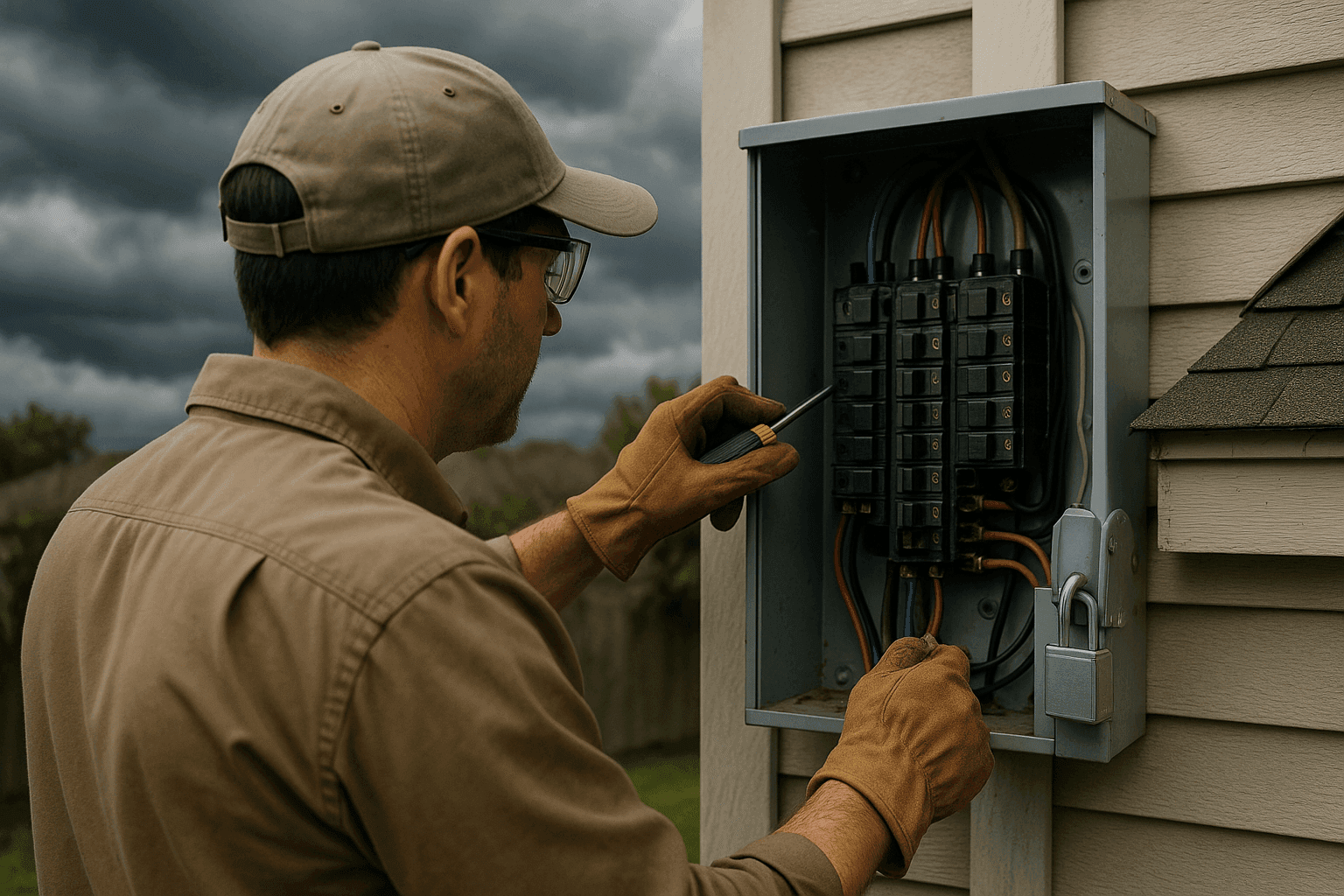
Storm clouds on the horizon. The wind picks up. Lights flicker. In that moment, you wonder—will your electrical system stand strong, or will it leave you in the dark?
Severe weather can strike fast. Homeowners and small business owners alike face real risks from storms, freezes, and sudden power outages. At Lee Davis Electric, we’ve seen how a few smart steps can mean the difference between a safe, powered home and costly, stressful repairs.
Understanding the Risks: What Severe Weather Can Do ⚡
Severe weather isn’t just about rain and wind. It’s about what those elements do to your electrical system. Think of your wiring and panels like the nervous system of your property—if something goes wrong, the whole body feels it.
Common electrical hazards during storms:
- Power surges: Sudden voltage spikes can fry appliances and sensitive electronics.
- Outages: Downed lines or blown transformers leave you powerless—sometimes for hours or days.
- Water damage: Flooding or leaks near outlets, panels, or outdoor connections can cause shorts, corrosion, or even fires.
- Fallen trees or debris: Impact can damage service lines or rip out connections.
- Frozen components: In cold snaps, moisture can freeze inside outlets or panels, cracking insulation and creating shock hazards.
The National Fire Protection Association (NFPA) and Electrical Safety Foundation International (ESFI) both warn that improper preparation can lead to fires, injuries, or expensive losses. Most problems are preventable with the right plan.
Quick Safety Checklist: Before the Storm Hits
A little preparation goes a long way. Here’s a quick checklist to help you spot vulnerabilities and shore up your defenses:
- Check your electrical panel: Look for rust, moisture, or loose breakers. If anything looks off, get it checked.
- Test GFCI and AFCI outlets: These outlets help prevent shocks and fires. Press the “test” button and reset.
- Secure outdoor outlets and EV chargers: Use weatherproof covers and inspect for cracks or gaps.
- Unplug sensitive electronics: TVs, computers, and smart devices are surge magnets. Unplug or use surge protectors.
- Inspect extension cords: Damaged cords are a major fire risk—replace any that are frayed or brittle.
- Know your main shutoff: In an emergency, you may need to cut power fast. Make sure everyone knows where it is.
- Check backup power: If you have a generator, test it now—don’t wait for the lights to go out.
DIY or Call a Pro? Knowing When to Reach Out
Some things are safe to do yourself, like unplugging devices or checking for obvious hazards. But electricity isn’t a place for guesswork. If you notice:
- Flickering lights or burning smells
- Breakers that won’t reset
- Water anywhere near electrical panels
- Buzzing outlets or switches
Stop. Call a licensed emergency electrician. It’s like smelling gas—don’t wait, don’t risk it.
What Pros Do When They Arrive
When you call Lee Davis Electric, our team doesn’t just “fix and run.” Here’s what a professional inspection and prep might include:
- Panel and breaker inspection: We look for corrosion, loose connections, and signs of overheating.
- Wiring checks: Hidden damage from pests, moisture, or old age can spell disaster in a storm.
- Surge protection assessment: We recommend and install whole-home or point-of-use surge protectors that meet UL 1449 standards.
- Outdoor component sealing: We ensure all outdoor outlets, EV chargers, and pool/spa equipment are properly sealed and rated for wet locations (per National Electrical Code guidelines).
- Backup generator evaluation: We test transfer switches, fuel supplies, and ventilation for safe operation.
- Smoke and carbon monoxide detector checks: Storms can lead to fires or generator-related CO buildup—alarms need to be ready.
Prevention and Maintenance: Your Best Defense
Think of electrical maintenance like getting your car ready for winter. A little time now saves a lot of trouble later.
Seasonal steps to stay safe:
- Spring: Inspect for winter damage, especially outdoor wiring and panels.
- Summer: Prepare for lightning and storm surges. Upgrade surge protection if needed.
- Fall: Clear leaves and debris from around outdoor panels and generators.
- Winter: Check for ice or snow buildup on outdoor outlets and EV chargers.
Annual electrical safety inspections by a qualified electrician are recommended by the ESFI. These checks catch small issues before they become big problems.
Surge Protection: The Unsung Hero
A surge can come from a lightning strike miles away—or from inside, when a large appliance cycles on. Surge protectors act like bodyguards for your electronics.
Types of surge protection:
- Whole-home surge protectors: Installed at your main panel, they shield your entire system.
- Plug-in protectors: Good for individual devices, but not a substitute for panel protection.
According to the National Electrical Manufacturers Association (NEMA), whole-home surge protection is the gold standard for storm-prone areas.
Backup Generators: Power When You Need It Most
A backup generator is like an insurance policy for your comfort and safety. But it’s not “set it and forget it.”
Key tips:
- Test monthly: Run your generator under load to make sure it’s ready.
- Keep fuel fresh: Old gasoline can gum up engines.
- Install a transfer switch: This device keeps your generator from backfeeding into utility lines—a critical safety measure.
- Never run generators indoors: Carbon monoxide is deadly. Always operate outside, away from windows and doors.
The Occupational Safety and Health Administration (OSHA) recommends professional installation and periodic testing for all standby generators.
Outdoor Electrical Components: Securing the Weak Links
Outdoor outlets, EV chargers, pool and spa wiring—these are the first to face the storm.
- Use weatherproof covers: “In-use” covers keep rain out even when cords are plugged in.
- Check for GFCI protection: Ground Fault Circuit Interrupters are required for outdoor circuits.
- Elevate connections: If flooding is a risk, raise outlets and chargers above potential water lines.
- Inspect after every storm: Look for water inside covers, rust, or tripped breakers.
Costs & Time Factors: What to Expect
Every property is different, but here’s what you can expect:
- Safety inspections: Usually take 1–2 hours, depending on the size and complexity of your system.
- Surge protector installation: Most are done in under an hour.
- Generator setup: Can range from a few hours for portable units to a full day for whole-home systems.
- Repairs or upgrades: Timing depends on parts availability and the extent of the work.
Preventive work is almost always less expensive than emergency repairs. Think of it as an investment in peace of mind.
When It’s an Emergency
If you experience any of the following, call an emergency electrician right away:
- Sparks, smoke, or burning odors from outlets or panels
- Power outage affecting only your property
- Flooding near electrical systems
- Repeated breaker trips with no clear cause
- Electric shocks from appliances or outlets
Safety first. Never try to fix major electrical issues during a storm. Wait until it’s safe, then call for help.
Frequently Asked Questions
Q: How often should I have my electrical system inspected?
A: The ESFI recommends an inspection every 1–3 years, or after any major weather event.
Q: Are whole-home surge protectors really worth it?
A: Yes. They protect your entire system from voltage spikes, which can save thousands in appliance and electronics damage.
Q: Can I use extension cords during a power outage?
A: Only use heavy-duty, outdoor-rated cords for temporary setups. Never run cords under rugs or through windows/doors where they can be pinched.
Q: What’s the safest way to use a portable generator?
A: Always operate generators outdoors, away from windows and doors. Use a transfer switch to connect to your home’s system, and never plug a generator directly into a wall outlet.
Special Considerations for Severe Weather Electrical Prep
- Older homes: Outdated wiring or panels may not handle modern electrical loads or surge protection devices. Consider an upgrade.
- Businesses: Critical systems like refrigeration, security, and data cabling need special attention. A professional can help you prioritize.
- Pools and spas: Water and electricity don’t mix. Always inspect pool equipment before and after storms.
- Smart homes: Home automation and data cabling need surge and backup power protection, too.
Don’t Wait for the Next Storm—Act Now
Severe weather is unpredictable, but your electrical safety doesn’t have to be. A little preparation today can save you headaches, money, and maybe even lives tomorrow.
Call Lee Davis Electric now — or reach us anytime at 877-757-7920 .