How Much Does It Cost to Rewire a House or Business?
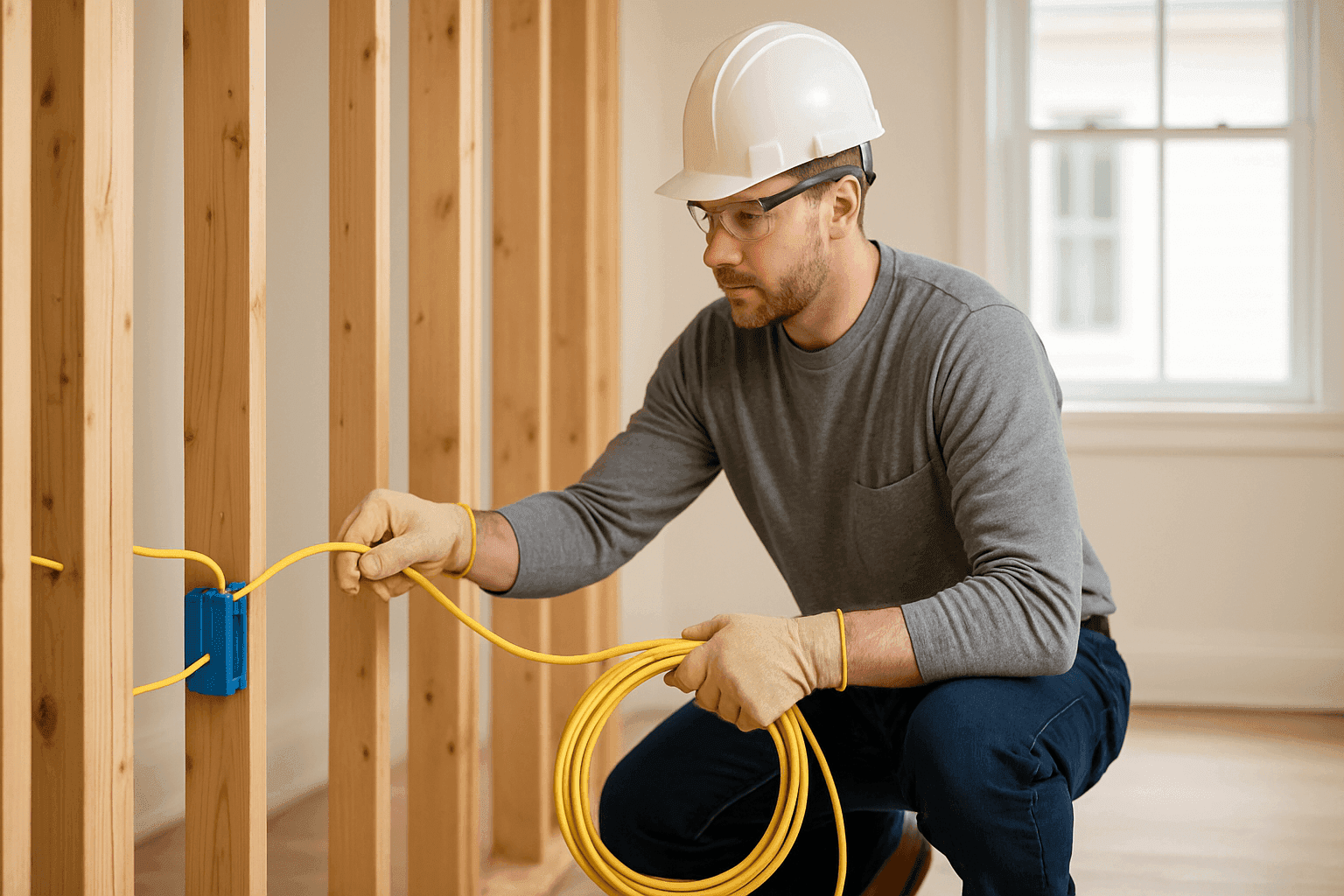
Picture this: your lights flicker, outlets spark, and you know something isn’t right behind the walls. Maybe you just bought an older property, or maybe the insurance company flagged your aging wiring. Either way, rewiring is on the horizon—and you’re wondering what it will actually cost.
At Lee Davis Electric, we know that rewiring is one of the most important electrical upgrades you’ll ever face. It’s not just a box to check for safety or insurance. It’s peace of mind, day and night. But what drives the price? And how do you spot a fair estimate from a too-good-to-be-true offer? Let’s break it down in plain language.
What Impacts Rewiring Costs? ⚡
Rewiring isn’t a one-size-fits-all job. Think of it like renovating a kitchen: the final bill depends on more than just square footage. Here’s what shapes your costs:
- Property Size & Layout: A 3,000 sq. ft. office with multiple levels will cost more than a compact cottage. More rooms mean more circuits, outlets, and wire runs.
- Age & Accessibility: Older homes and businesses often have plaster walls, tight crawlspaces, or even hidden “surprises” like knob-and-tube wiring or outdated fuse boxes. These raise labor time.
- Wiring Complexity: Want smart lighting, whole-building surge protection, or backup generators? High-tech features mean extra planning, materials, and skill.
- Regional Code Requirements: Local codes matter. Some areas require tamper-resistant outlets, arc-fault breakers, or GFCI in more locations. Permits and inspections also vary.
- Material Quality: Copper wire is standard, but some properties may need specialty cables, higher-gauge wire, or upgraded panels for heavy appliances or EV chargers.
- Business vs. Home: Commercial rewiring often requires additional safety systems, fire alarms, or high-voltage solutions.
A skilled emergency electrician will look at each of these factors before giving you a number. If someone quotes you a flat price over the phone without seeing the property, be wary.
Full vs. Partial Rewiring
Sometimes, only part of your wiring needs attention. Maybe you’re remodeling a kitchen, adding an office, or noticed an isolated issue in one area.
- Full Rewiring: Every circuit, outlet, and switch is replaced. This is common in homes built before the 1970s or after major fire/flood damage.
- Partial Rewiring: Only certain rooms or systems (like the kitchen, bathrooms, or a detached garage) are rewired. This can save money but requires careful planning to ensure safety and code compliance.
Remember: patchwork wiring can create future headaches if circuits aren’t properly mapped and labeled. A reputable electrician will walk you through the benefits—and limits—of partial jobs.
Typical Price Ranges
There’s no “menu price” for rewiring. But you deserve honest ballpark figures, not vague promises.
- Small Homes/Condos (under 1,200 sq. ft.): $3,000–$8,000 depending on access and upgrades.
- Average Houses (1,500–2,500 sq. ft.): $8,000–$20,000, especially if walls need patching.
- Large Homes/Custom Builds: $20,000–$40,000+ with high-end features.
- Small Businesses/Shops: $7,000–$20,000 for simple layouts; more for specialized wiring or security.
- Commercial Properties (office suites, restaurants, warehouses): $20,000–$100,000+ depending on high-voltage needs, panel upgrades, and code requirements.
These are industry averages, not quotes. Every project gets a custom estimate based on real conditions.
Extra Costs: Permits, Upgrades, and More 📝
Don’t let hidden costs catch you off guard. Here are common extras:
- Permits & Inspections: Most cities require permits and a final inspection for any wiring work. These fees vary and are a non-negotiable part of safe, legal rewiring.
- Panel Upgrades: Older panels may not handle today’s appliance loads or safety requirements. Upgrading a panel adds $1,500–$4,000+.
- Drywall & Painting: Cutting into walls means patching and painting after. Some electricians include this; others don’t. Ask what’s covered.
- New Fixtures or Outlets: Adding more lighting, smart switches, or new appliance circuits increases costs.
- Surge Protection & Whole-Building Safety Devices: Worth considering for peace of mind, especially in lightning-prone areas.
Always ask for an itemized estimate so you know exactly what’s included. “Repairs near you” should mean full transparency, not sticker shock.
How to Get Accurate Estimates
The best way to budget? Invite a licensed, insured electrician to walk through your property. Here’s what to expect:
- On-Site Inspection: The electrician checks your panel, inspects outlets, and looks for code violations or hidden hazards. They’ll measure, take notes, and ask questions about your needs.
- Itemized Written Estimate: Good electricians break down labor, materials, permit fees, and any recommended upgrades.
- Timeline: Ask how long the work will take and what disruptions to expect. For most homes, plan on at least 1–2 weeks.
- References to Code: Look for references to the National Electrical Code (NEC) or your local building department’s requirements. This shows your electrician isn’t cutting corners.
Low-ball quotes often skip these steps and leave you open to future repairs or failed inspections.
Why Professional Rewiring Matters
This isn’t just about convenience. Outdated or improperly installed wiring is a leading cause of electrical fires, according to the National Fire Protection Association (NFPA). Insurance companies may even deny claims if your wiring doesn’t meet code.
Professional rewiring:
- Increases property value and insurability
- Brings your system up to current safety standards
- Reduces risk of fire, shock, and costly emergency repairs
DIY is tempting, but electrical work is not the place to take shortcuts.
Practical Tips for Homeowners & Businesses
- Ask for Credentials: Only work with licensed, insured electricians with up-to-date training.
- Get Multiple Estimates: Compare detailed written quotes, not just bottom-line prices.
- Plan for Disruption: Rewiring means moving furniture, opening walls, and possibly shutting down power for days.
- Budget for Surprises: Unseen damage or code issues can add to the final bill. Build in a cushion.
- Schedule Regular Safety Checks: Routine maintenance can catch problems early and stretch the life of your new wiring.
Citing Authoritative Sources
When in doubt, refer to reputable organizations like:
- The National Electrical Code (NEC)
- National Fire Protection Association (NFPA)
- Your local building department
These bodies set the standards that keep your property—and everyone in it—safe.
FAQ
How often do homes or businesses need rewiring?
Most properties built before the 1970s are due for a full rewire. Modern buildings should be checked every 25–40 years or after major renovations.
Can I stay in my home or run my business during rewiring?
It depends on the scope. Small jobs may only affect certain rooms, but full rewiring often means moving out temporarily—especially if power must be shut off.
Will insurance cover rewiring?
Usually not unless damage was caused by a covered event. However, many insurers require up-to-date wiring for coverage.
Is rewiring worth the cost?
Yes. It’s an upfront investment that prevents costly emergencies, increases safety, and may even lower insurance premiums.
Local & Seasonal Considerations 🌦️
Where you live—and when you schedule work—can impact costs and timelines. Bad weather, busy permit offices, or local material shortages might mean longer waits or higher prices. In some regions, peak storm or hurricane season can create a rush for emergency electrician services.
If you’re considering rewiring, plan ahead. Waiting until there’s a problem can limit your options and drive up costs.
Ready for a safe, up-to-code electrical system? Call Lee Davis Electric now — or reach us anytime at 877-757-7920 .