How to Safely Upgrade Your Home’s Electrical System for Modern Living
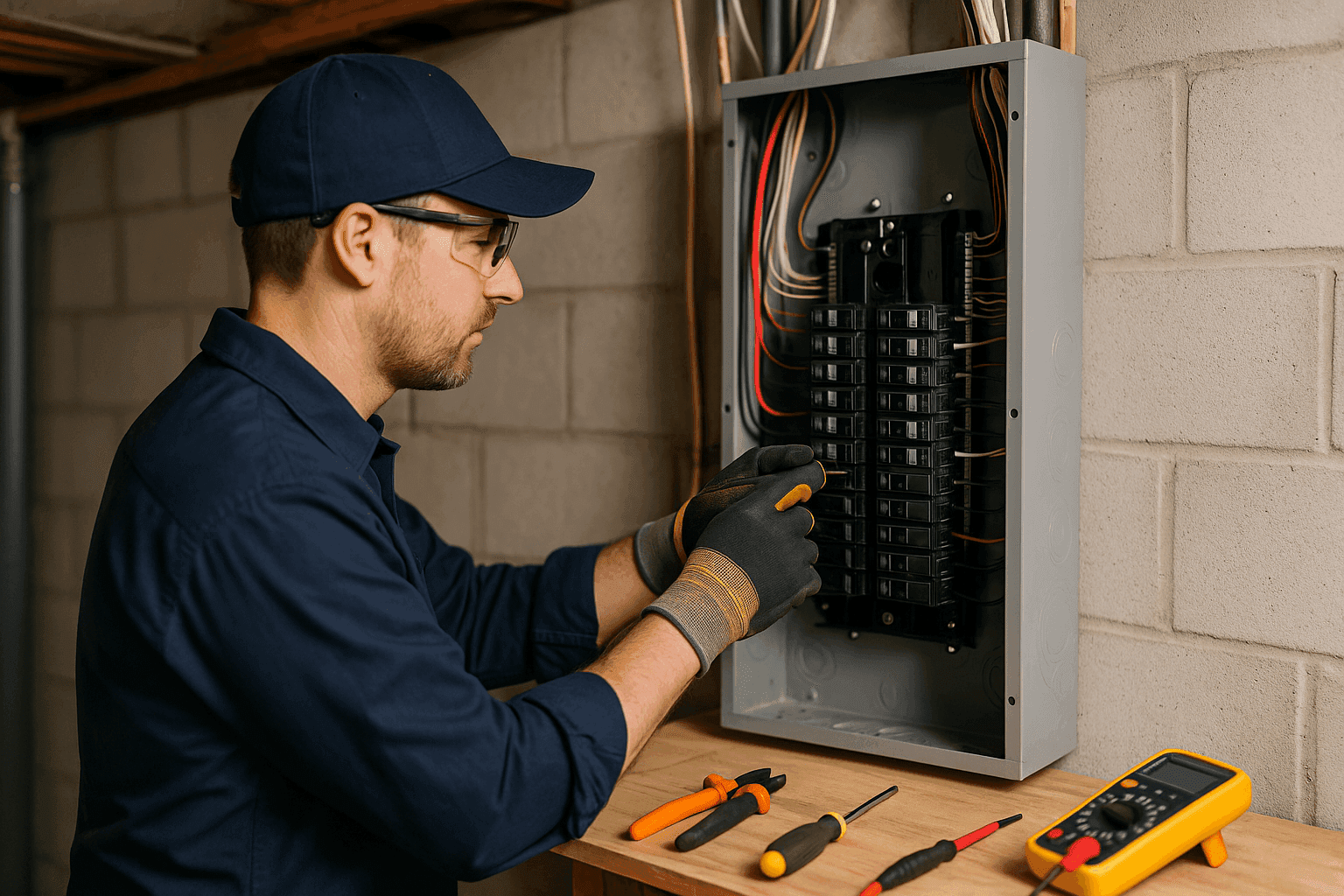
Are your lights flickering when you plug in your coffee maker and charge your phone? Ever trip a breaker just by running the microwave and toaster at the same time? You’re not alone. Most homes weren’t built for the tech-heavy, always-on lifestyle of today.
If you’re thinking about adding smart home features, installing an EV charger, or simply want to feel safer, upgrading your electrical system is a must. At Lee Davis Electric, we know how important it is to keep your home running smoothly—and safely—no matter what life throws your way.
Why Upgrading Matters More Than Ever ⚡
Picture your electrical system as the heart of your home. Years ago, it only had to keep the lights on and maybe power a fridge or TV. Now, it’s expected to handle smart thermostats, security systems, high-powered appliances, and dozens of chargers—all at once.
Here’s what’s changed:
- Smart Home Devices: Doorbells, cameras, voice assistants, and automated lighting.
- Electric Vehicles: Home charging stations require dedicated, powerful circuits.
- Modern Appliances: Ovens, dryers, and HVAC systems draw more power than ever.
- Remote Work: Computers, servers, and network gear need reliable power.
Old wiring and panels can struggle to keep up. Overloaded circuits aren’t just inconvenient—they’re dangerous. According to the National Fire Protection Association (NFPA), electrical issues are a leading cause of home fires. Safety isn’t optional; it’s essential.
Quick Safety Checklist
Before you even think about upgrades, take a walk through your home. Look for these warning signs:
- Breakers trip regularly or fuses blow often.
- Outlets feel warm, look discolored, or spark.
- Lights flicker, especially when major appliances run.
- Extension cords snake across every room (a sign you need more outlets).
- Your panel uses outdated fuses instead of breakers.
- You smell burning or see scorch marks near outlets or switches.
If you spot any of these, stop. Call an emergency electrician. Don’t risk it.
Assessing Your Electrical Panel and Wiring
Think of your electrical panel like the main highway for electricity in your home. If it’s too old or too small, traffic jams (overloads) happen. Here’s how to check:
- Panel Age: If your panel is over 25 years old, it likely needs an upgrade.
- Amperage: Modern homes usually need at least 200 amps. Older panels may offer just 60 or 100.
- Breakers: Are there enough? Are any labeled “main” or “sub” tripping often?
- Wiring: Aluminum wiring, cloth insulation, and knob-and-tube setups are red flags.
Don’t open the panel yourself—leave that to a licensed electrician. But you can check the label for age and amperage.
DIY vs. Call a Pro
It’s tempting to watch a few online tutorials and think, “I can do this.” But electrical work is like surgery—you wouldn’t do it yourself unless you were trained.
Here’s what’s safe for most homeowners:
- Resetting a tripped breaker.
- Changing lightbulbs.
- Replacing outlet covers (not the outlets themselves).
Leave the rest to the pros, especially:
- Installing new circuits or outlets.
- Upgrading your panel.
- Rewiring any part of your home.
- Adding EV chargers or high-power appliances.
Electrical codes exist for a reason. They prevent fires, shocks, and worse. The National Electrical Code (NEC) is updated every three years; staying compliant is not a DIY project.
What Electricians Do When They Arrive
A professional from Lee Davis Electric starts with a full safety inspection. Here’s what to expect:
1. Initial Assessment
- Walkthrough to spot visible hazards.
- Test outlets, switches, and fixtures.
- Ask about recent issues (flickering, tripping, etc.).
2. Panel and Wiring Check
- Inspect the main panel for age, capacity, and damage.
- Evaluate wiring types and conditions.
3. Code Compliance Review
- Compare your setup to the latest NEC standards.
- Identify outdated or unsafe components.
4. Recommendations & Planning
- Suggest upgrades based on your needs (smart home, EV, new appliances).
- Provide a clear plan—what to upgrade, in what order, and why.
5. Professional Installation
- Use proper materials and techniques.
- Label circuits clearly for future reference.
- Test everything before finishing.
Throughout, safety comes first. Licensed electricians have the training, tools, and experience to handle unexpected problems—like hidden junction boxes or mystery wires behind walls.
Prevention & Maintenance: Staying Safe Year-Round 🔒
An upgraded system isn’t “set and forget.” Here’s how to keep things running smoothly:
- Schedule Annual Safety Checks: Catch small issues before they become big problems.
- Test Smoke & Carbon Monoxide Detectors: At least twice a year. Replace batteries regularly.
- Install Whole-Home Surge Protection: Protect sensitive electronics from power spikes.
- Use the Right Bulbs & Devices: Never exceed fixture wattage.
- Keep Panels Accessible: Don’t block your electrical panel with furniture or storage.
- Check Outdoor Outlets: Make sure they’re weatherproof and GFCI-protected.
Before storm season or winter, double-check your backup generators and make sure your system can handle increased loads from heaters or holiday decorations.
Costs & Time Factors
Every upgrade is different, but here’s what to consider:
- Scope of Work: Adding a few outlets is quick. Full rewiring or a new panel takes longer.
- Material Quality: Higher-quality breakers and wiring cost more but last longer.
- Home Size: Larger homes need more circuits and materials.
- Access: Finished basements or attics can slow things down.
- Permits & Inspections: Required for most upgrades, adding time but ensuring safety.
Upgrading a panel might take a day. Full rewiring could stretch to a week or more. Always plan for some disruption—power may need to be shut off during work.
When It’s an Emergency
Sometimes, waiting isn’t an option. Call an emergency electrician if:
- You smell burning or see smoke from outlets or your panel.
- You lose power to part or all of your home, especially during storms.
- Water leaks near electrical fixtures or your panel.
- Sparks fly when you plug in a device.
- You hear buzzing or crackling from switches or outlets.
Fast action can prevent serious damage—or worse.
Choosing the Right Outlets, Switches, and Surge Protection
Modern living means more devices and greater risks from power surges. Here’s how to stay protected:
- GFCI Outlets: Required in kitchens, bathrooms, garages, and outdoors. They cut power instantly if a fault is detected.
- AFCI Outlets: Arc-fault circuit interrupters protect against dangerous electrical arcs in bedrooms and living areas.
- Smart Switches & Dimmers: Integrate safely with your home automation system.
- Whole-Home Surge Protectors: Installed at your panel to defend against lightning strikes and utility surges.
A professional can help you choose the right devices for each room, ensuring everything is installed to code.
Integrating Home Automation Safely
Smart homes are convenient, but only if installed safely. Here’s what to keep in mind:
- Dedicated Circuits: High-powered smart devices (like automated blinds or smart HVAC) may need their own circuits.
- Low-Voltage Wiring: For doorbells, intercoms, and data cabling, make sure wiring is separated from high-voltage lines.
- Secure Connections: Avoid daisy-chaining devices or overloading smart plugs.
- Central Control Panels: Let a pro install and configure these to avoid compatibility issues.
A safe smart home is a reliable one.
Electrical Safety Inspections: Before and After
Never skip a safety inspection before starting upgrades. It’s like a health checkup for your house. After work is done, have the system inspected again. This confirms everything meets code and works as it should.
According to the Electrical Safety Foundation International (ESFI), regular inspections reduce the risk of fire and shock dramatically.
FAQ: Common Questions About Upgrading Electrical Systems
How do I know if my panel is too old?
If your panel is over 25 years old, has fuses instead of breakers, or can’t support modern appliances, it’s time to upgrade.
Can I upgrade just a few outlets or do I need a full rewiring?
It depends on your home’s age and wiring condition. Sometimes, targeted upgrades are enough. Other times, full rewiring is safer and more cost-effective in the long run.
Are permits required for electrical upgrades?
Yes. Most electrical work requires permits and inspections to ensure safety and code compliance.
What’s the biggest risk of not upgrading?
Overloaded circuits can cause fires, shocks, and damage to electronics. Safety should always come first.
Special Considerations for Upgrading Home Electrical Systems
- Historic Homes: Upgrades may need special care to preserve original features.
- Pools & Spas: Electrical systems must meet strict safety codes to prevent shocks.
- EV Chargers: Require dedicated, high-capacity circuits and proper installation.
- Backup Generators: Need safe transfer switches and regular maintenance.
- Seasonal Loads: Winter heating and summer cooling put extra strain on your system.
Always ask your electrician about these factors before starting any project.
Upgrading your home’s electrical system is one of the smartest investments you can make for safety, comfort, and peace of mind. If you’re ready to take the next step—or need help in an emergency—Lee Davis Electric is here to help.
Call Lee Davis Electric now — or reach us anytime at 877-757-7920 .